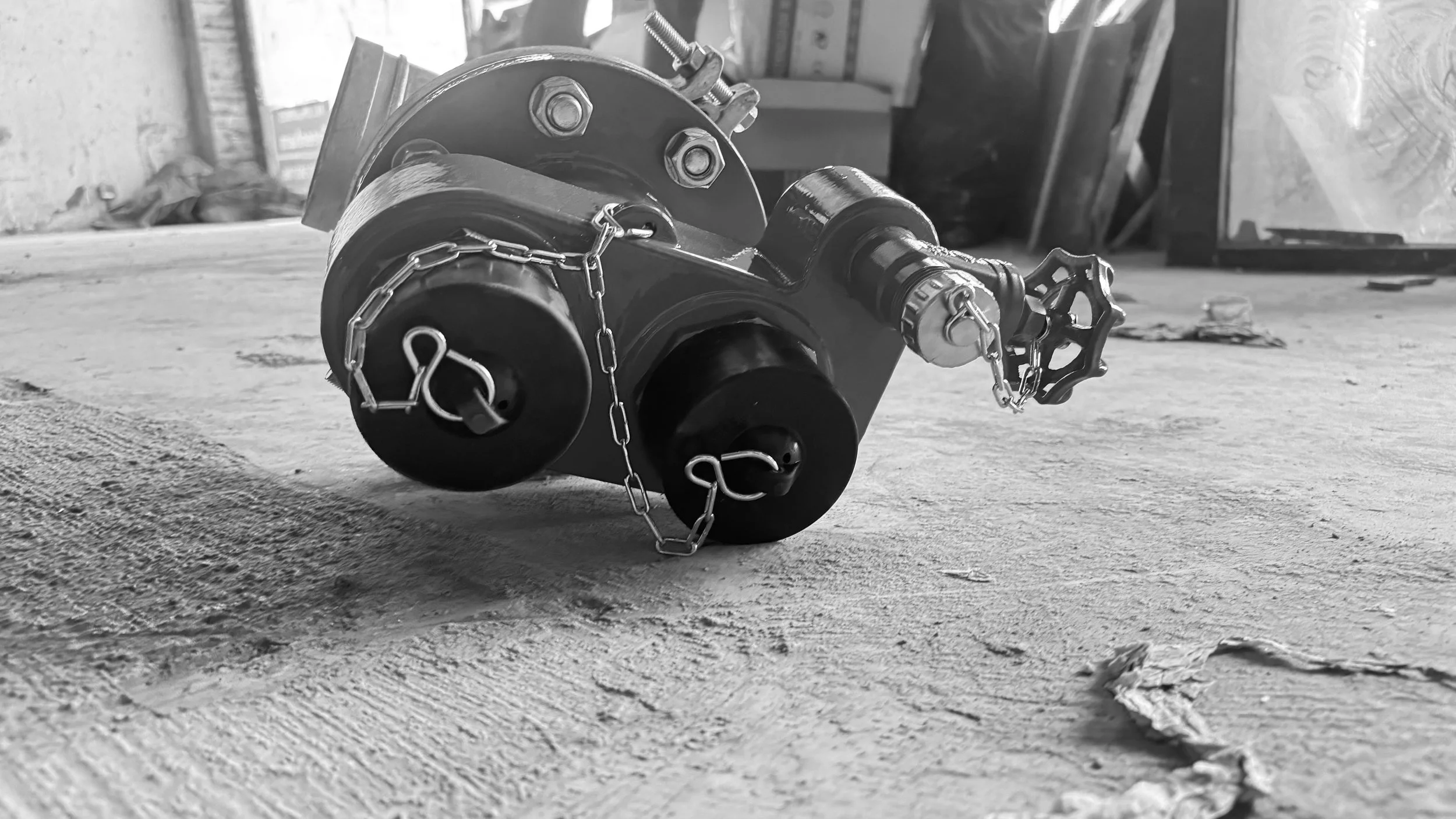
Dry Riser Remedials
Remedial Works for Failed Systems.
What Are Dry Riser Remedial Works?
Dry riser systems are a critical part of a building’s fire safety infrastructure. When faults or defects are identified during inspections or pressure testing, remedial works may be required to restore the system to full operational condition. Dry riser remedial works refer to the repair, replacement, or correction of faults within an existing dry riser system.
These works are typically required when defects are discovered during:
Annual pressure testing
Visual inspections
Fire risk assessments
Building refurbishments or upgrades
Remedial works ensure the system remains reliable and capable of supplying water to firefighters during an emergency.
Common Dry Riser Faults
Over time, dry riser systems may develop faults due to wear, corrosion, vandalism, or building alterations. Common issues include:
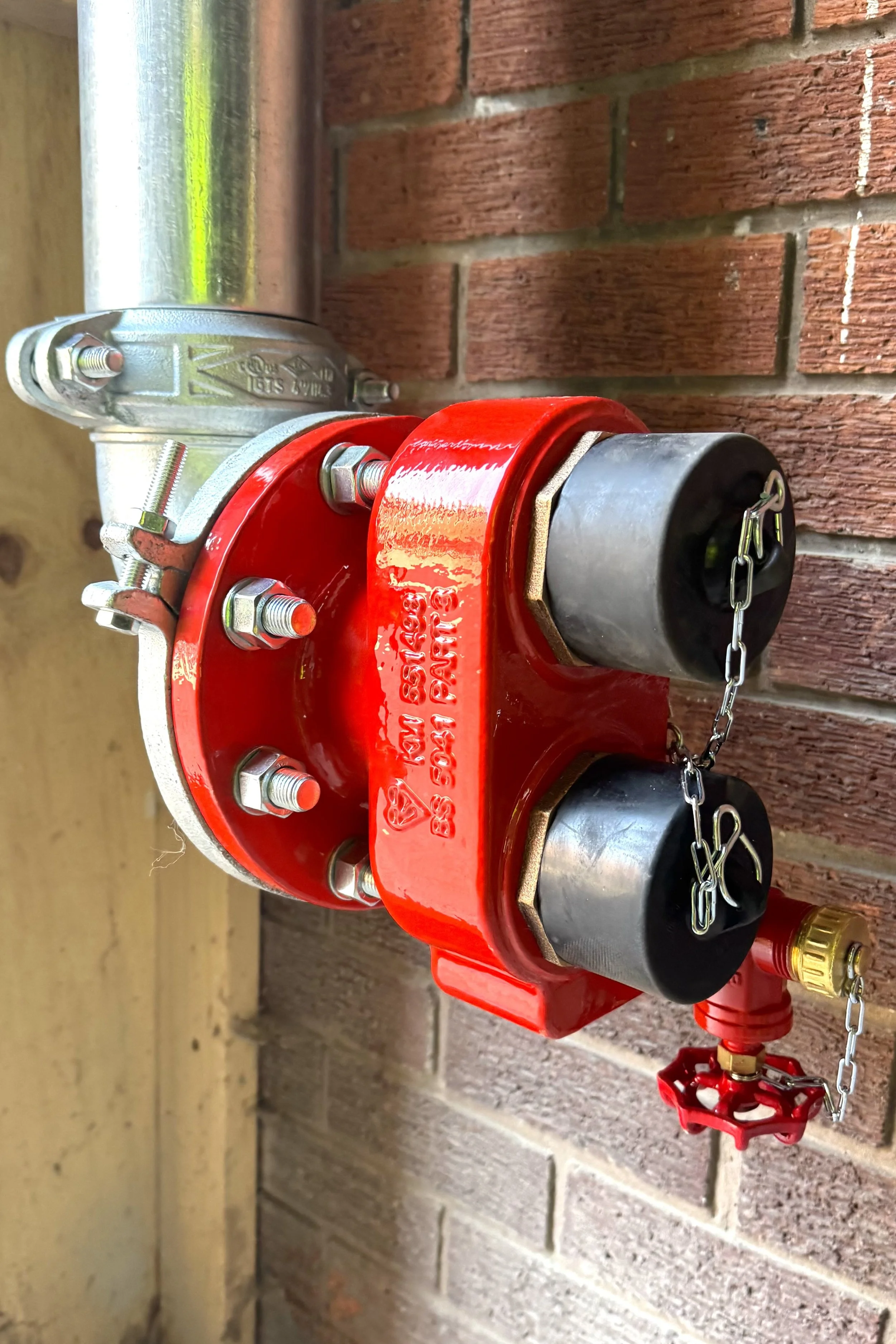
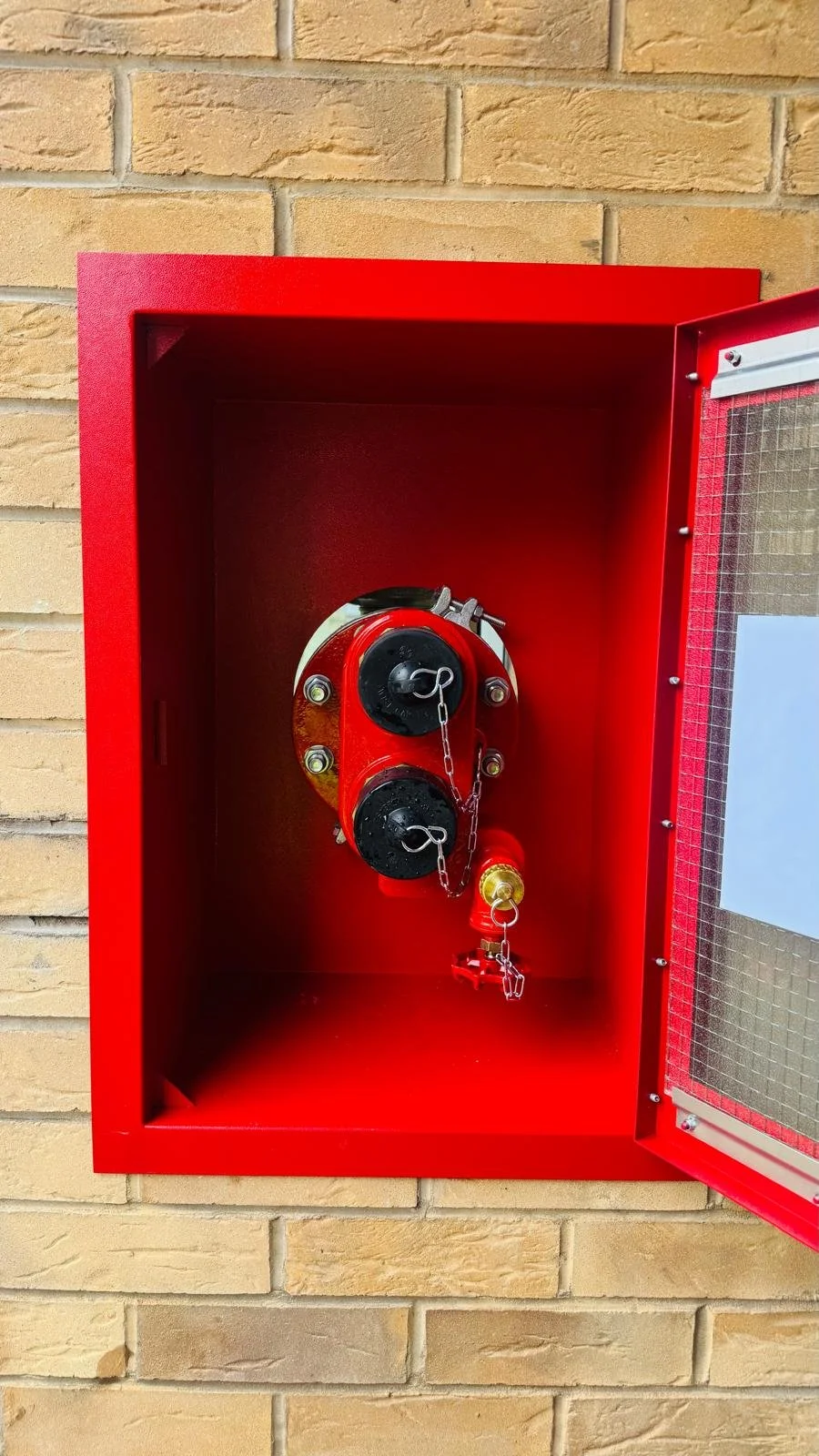
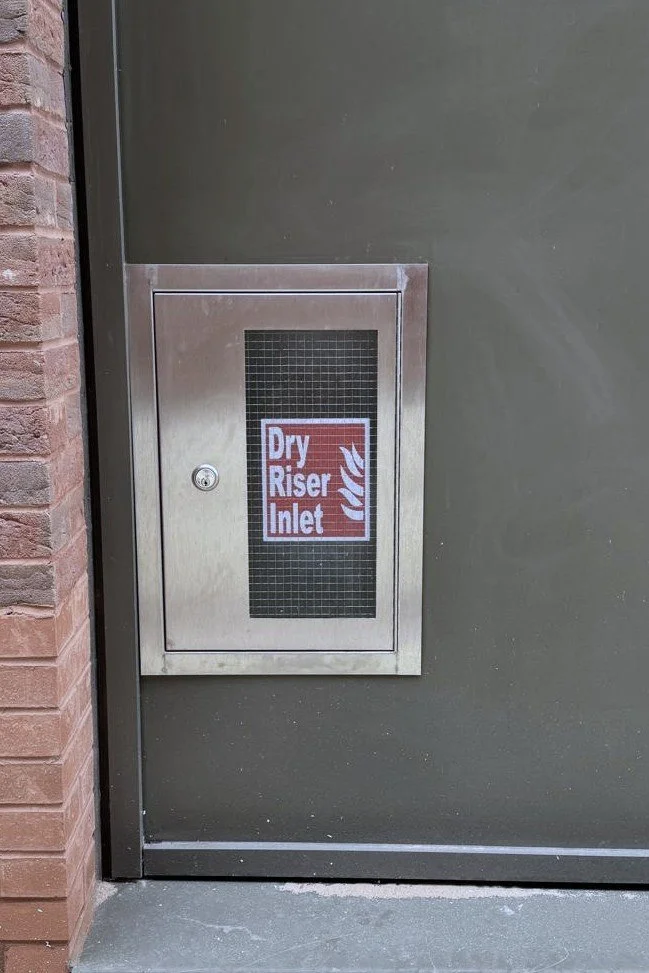
Damaged Inlet Boxes: Inlet cabinet doors or glass panels can become broken or missing, preventing safe connection by firefighters
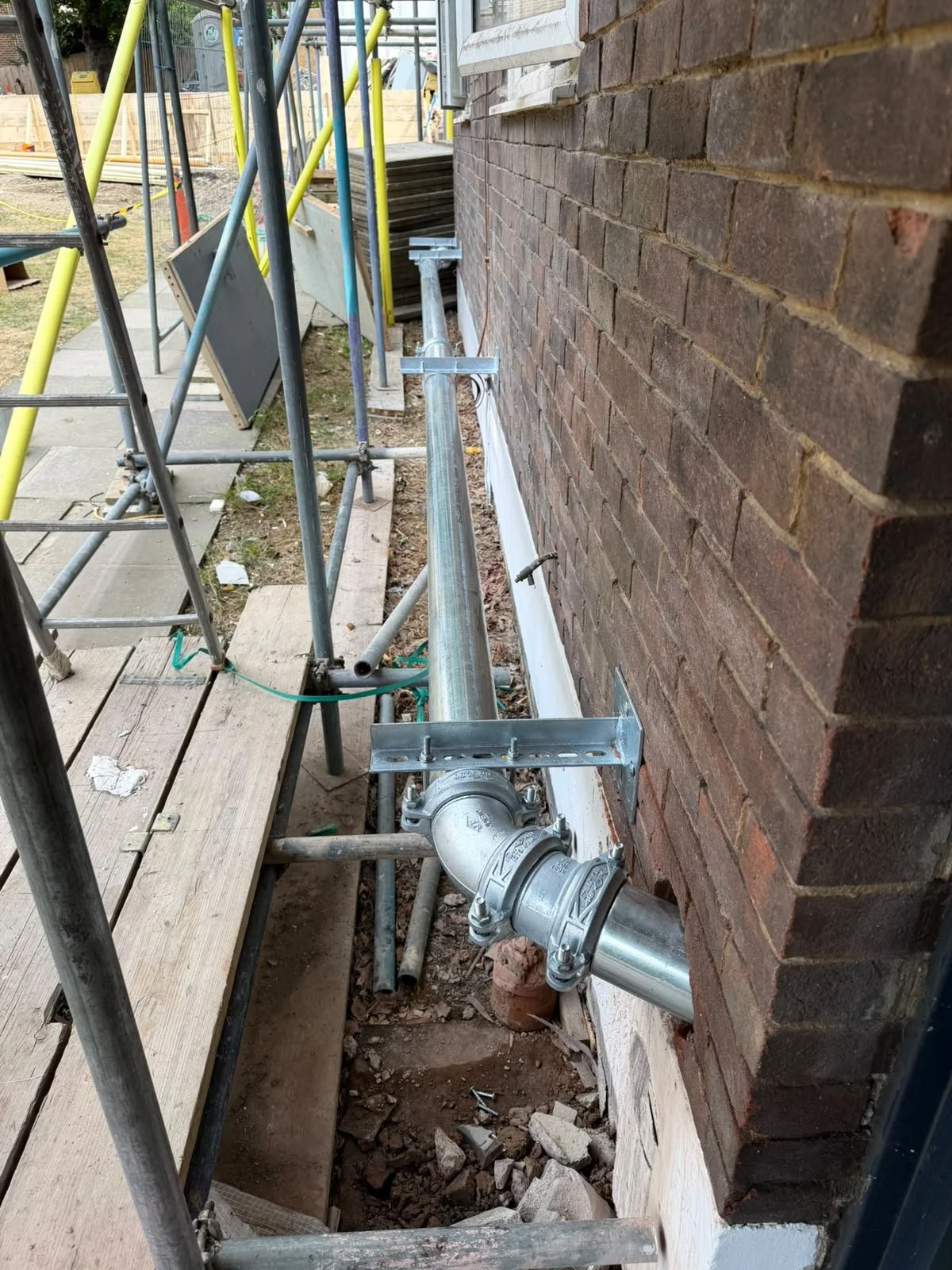
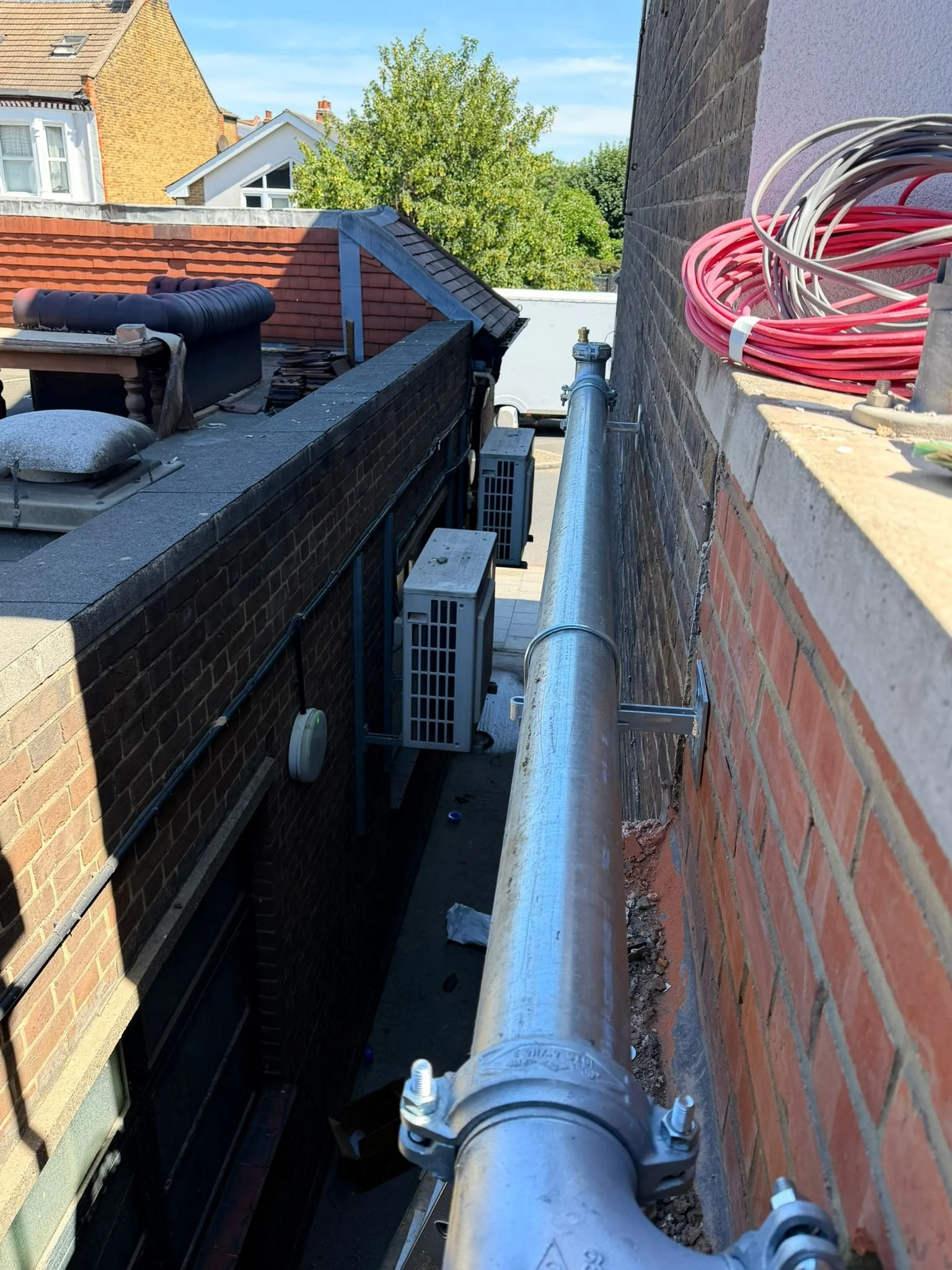
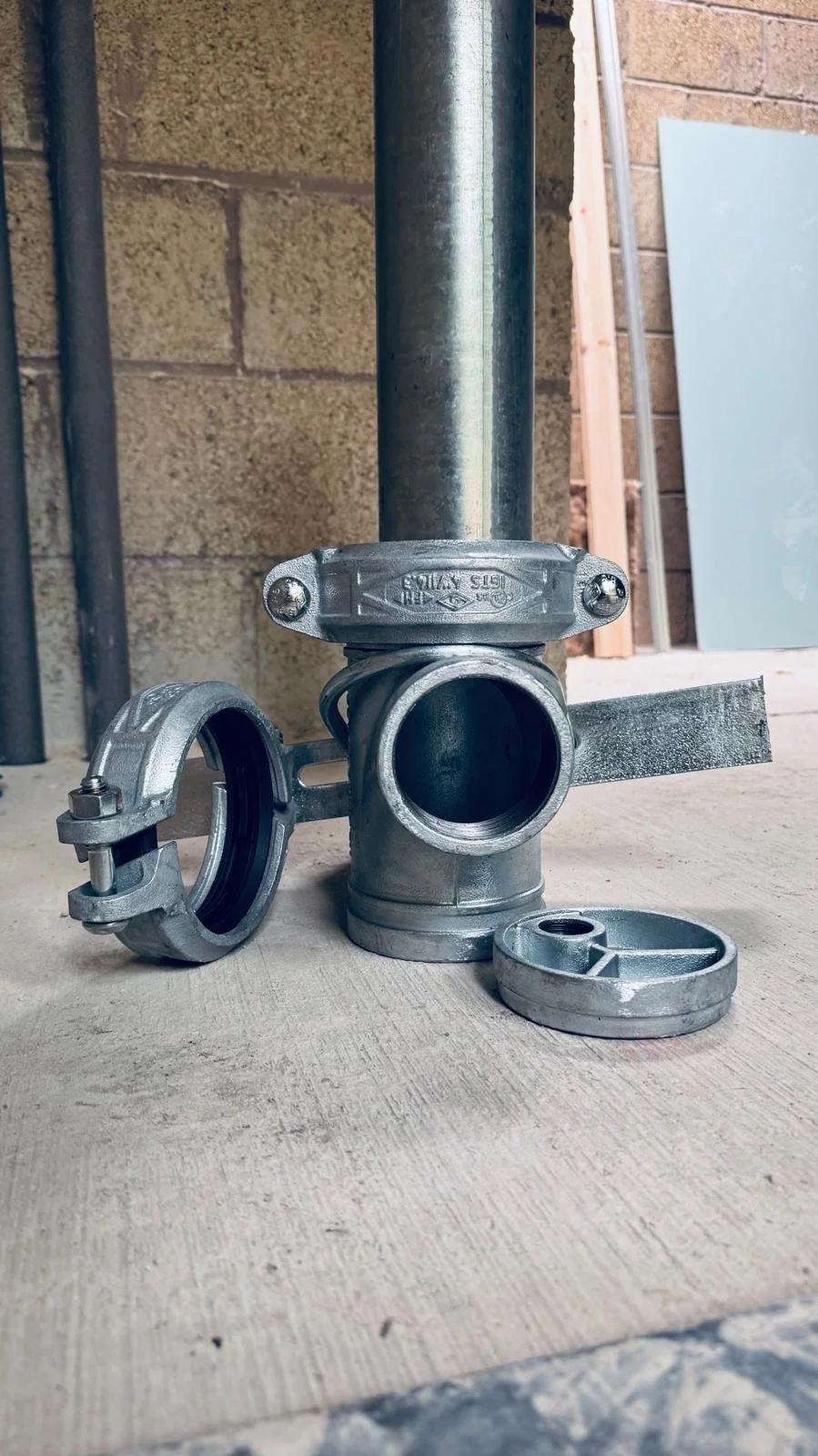
Leaking Pipework: Pipe joints and couplings may develop leaks due to corrosion or failed seals
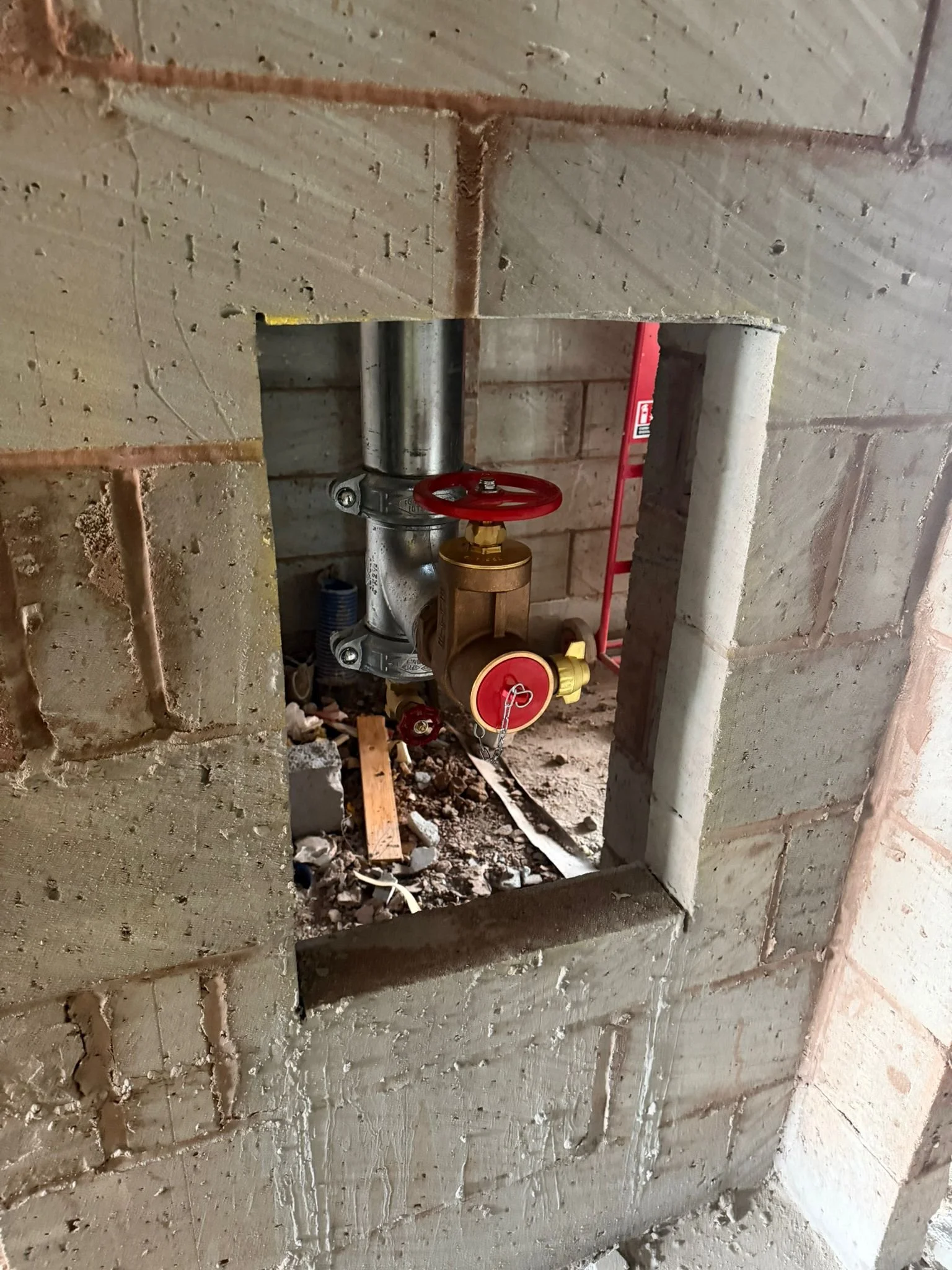
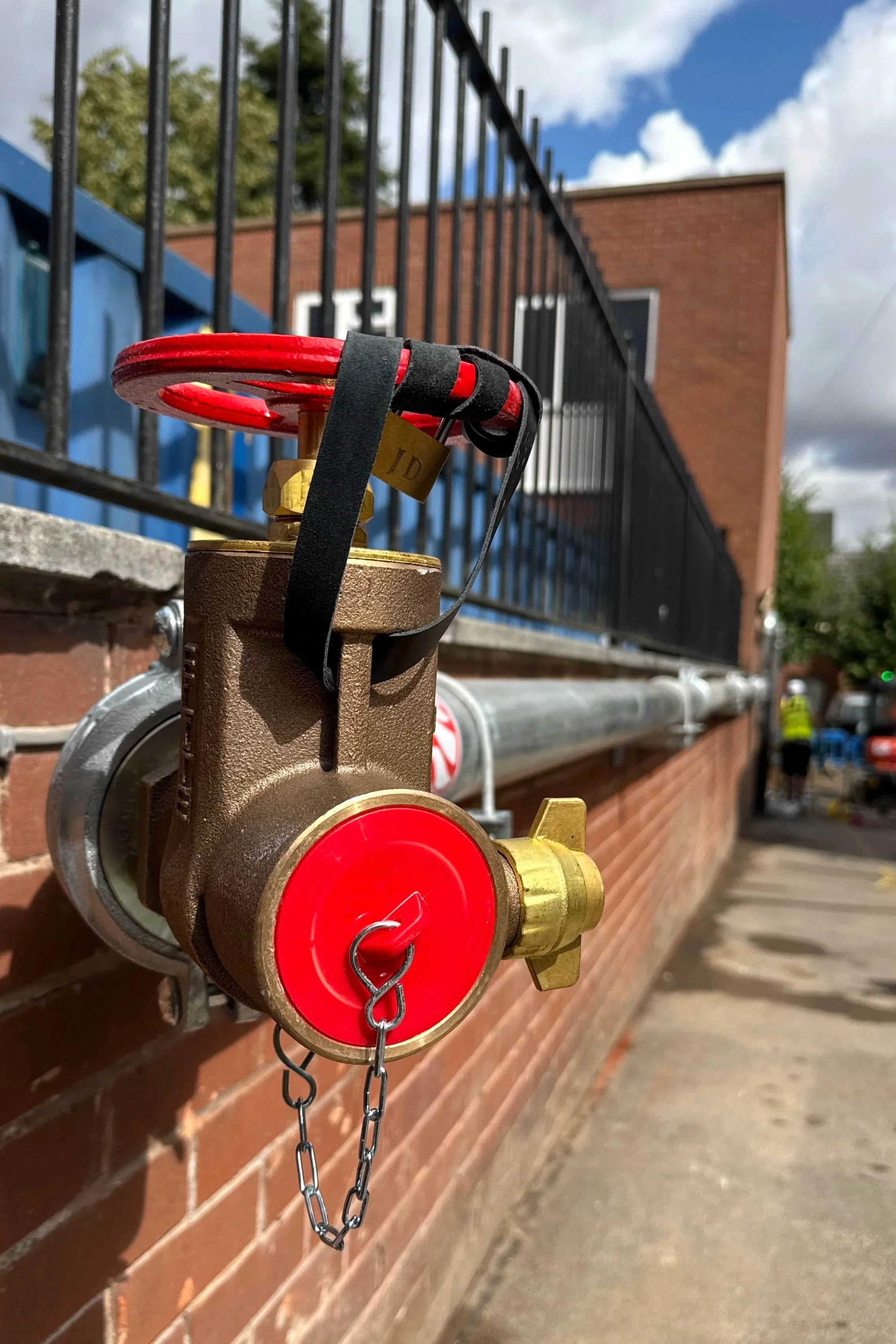
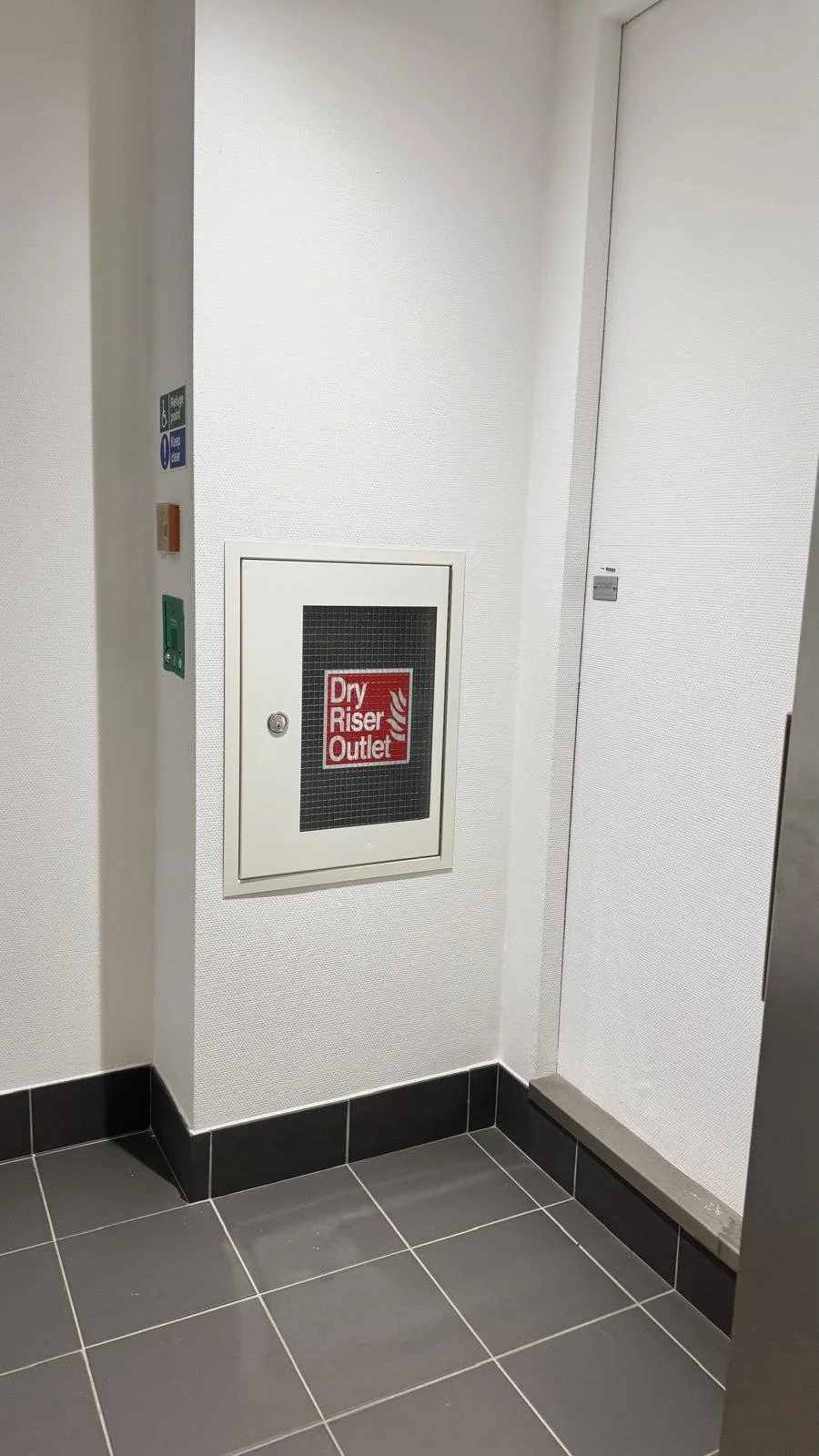
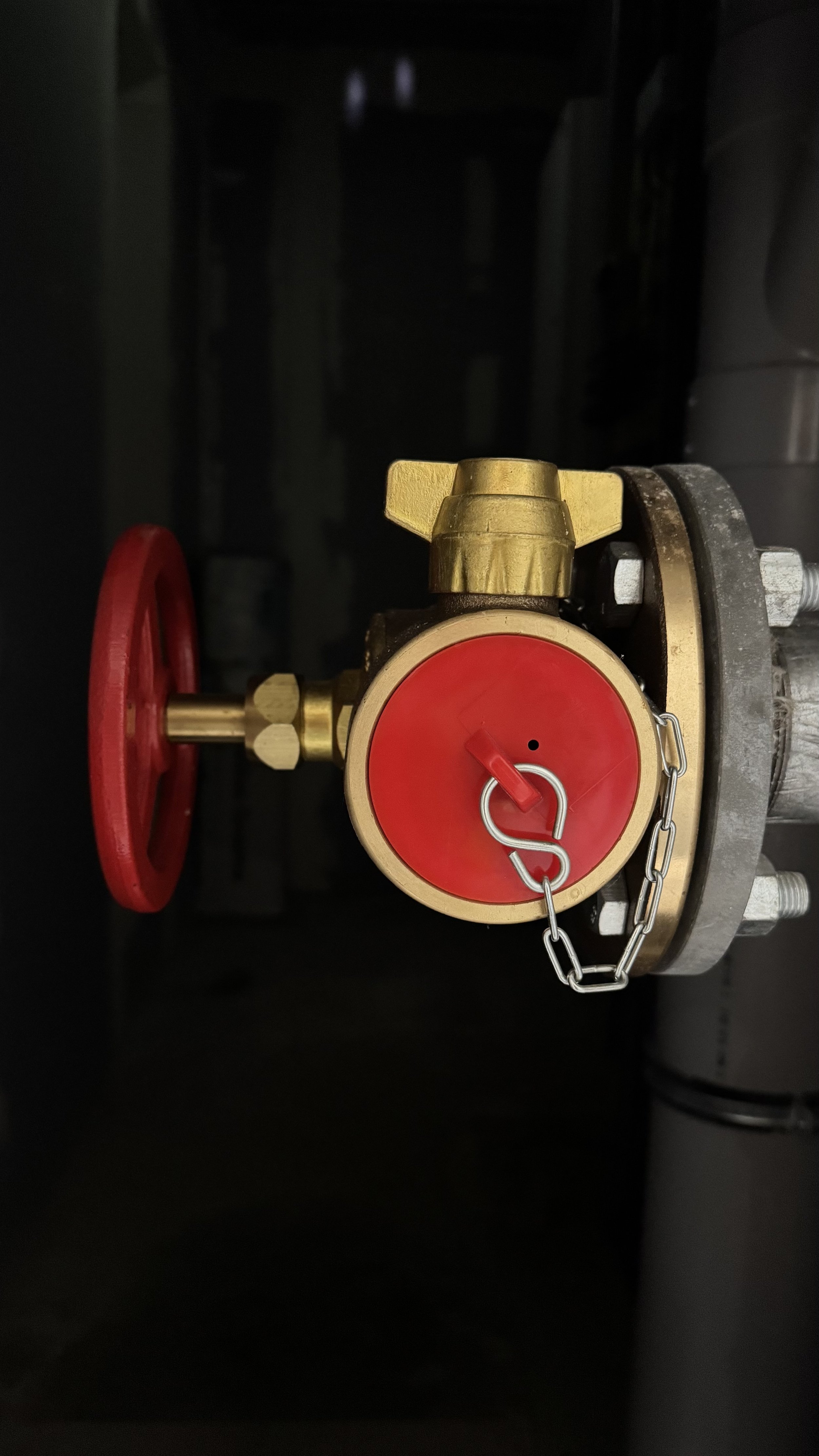
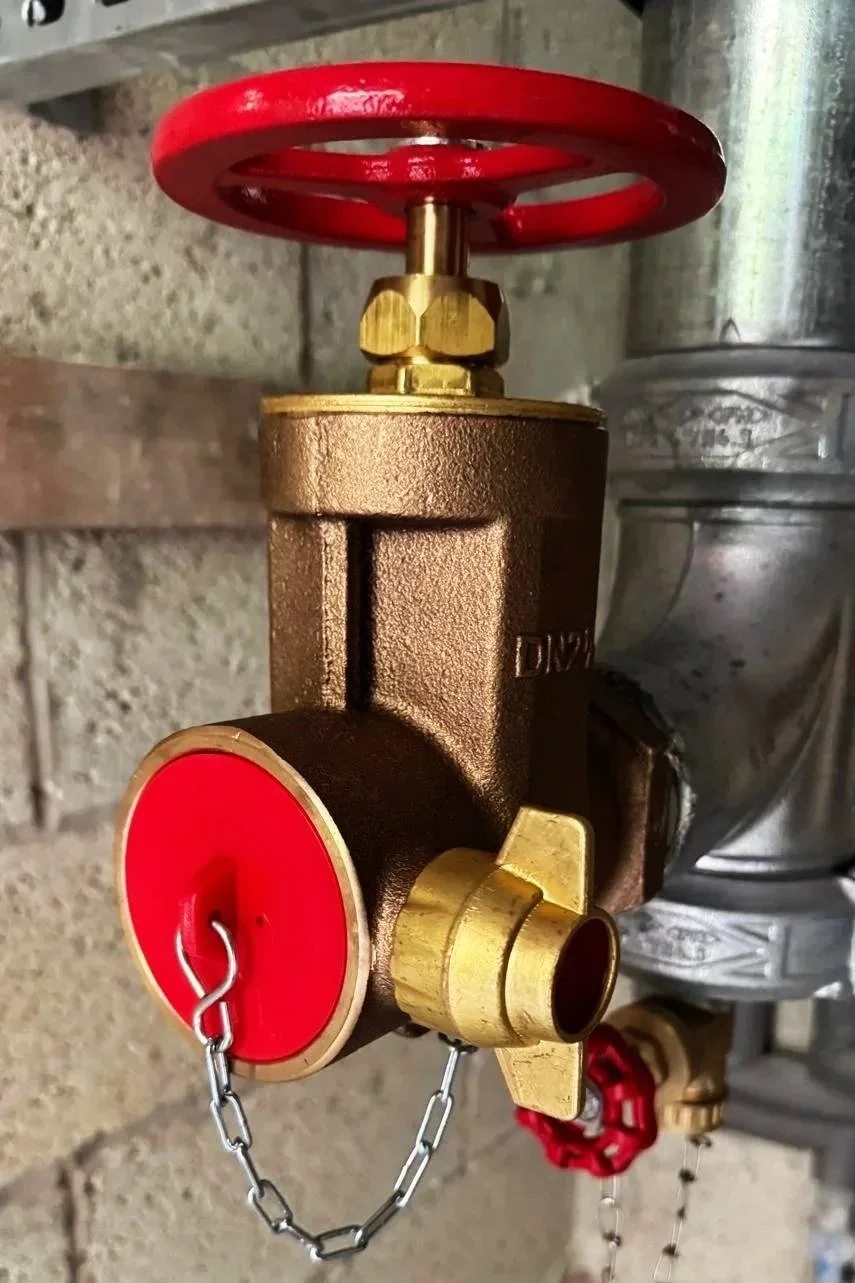
Faulty Landing Valves: Landing valves may seize, leak, or fail to operate correctly if not regularly maintained
Missing Components: Caps, chains, seals, or signage may be missing, which can compromise system usability
Corrosion and Pipe Damage: Older systems may suffer from corrosion, particularly in damp service risers or external locations
Non-Compliant Installations: Some older systems may not meet current standards or may have been installed incorrectly
Evidence of tampering: Blocked or vandalised outlets
The following section outlines the typical remedial works carried out to restore dry riser systems to full operational condition.
Typical Repair Works
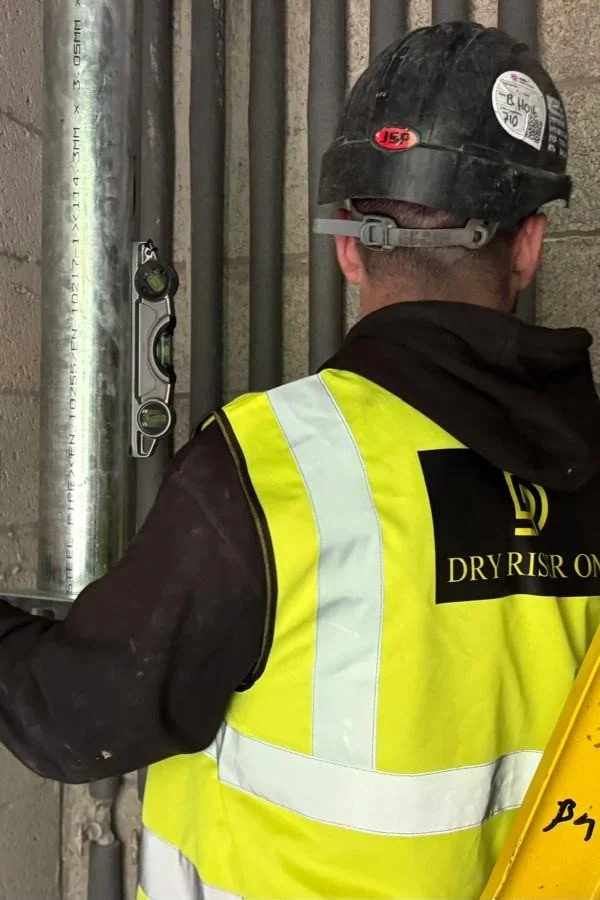
Once faults within a dry riser system have been identified, the appropriate remedial works are planned and the required replacement components are ordered. The scope of work will depend on the nature of the defect, which may include damaged landing valves, leaking pipework, missing components, or defective inlet cabinets.
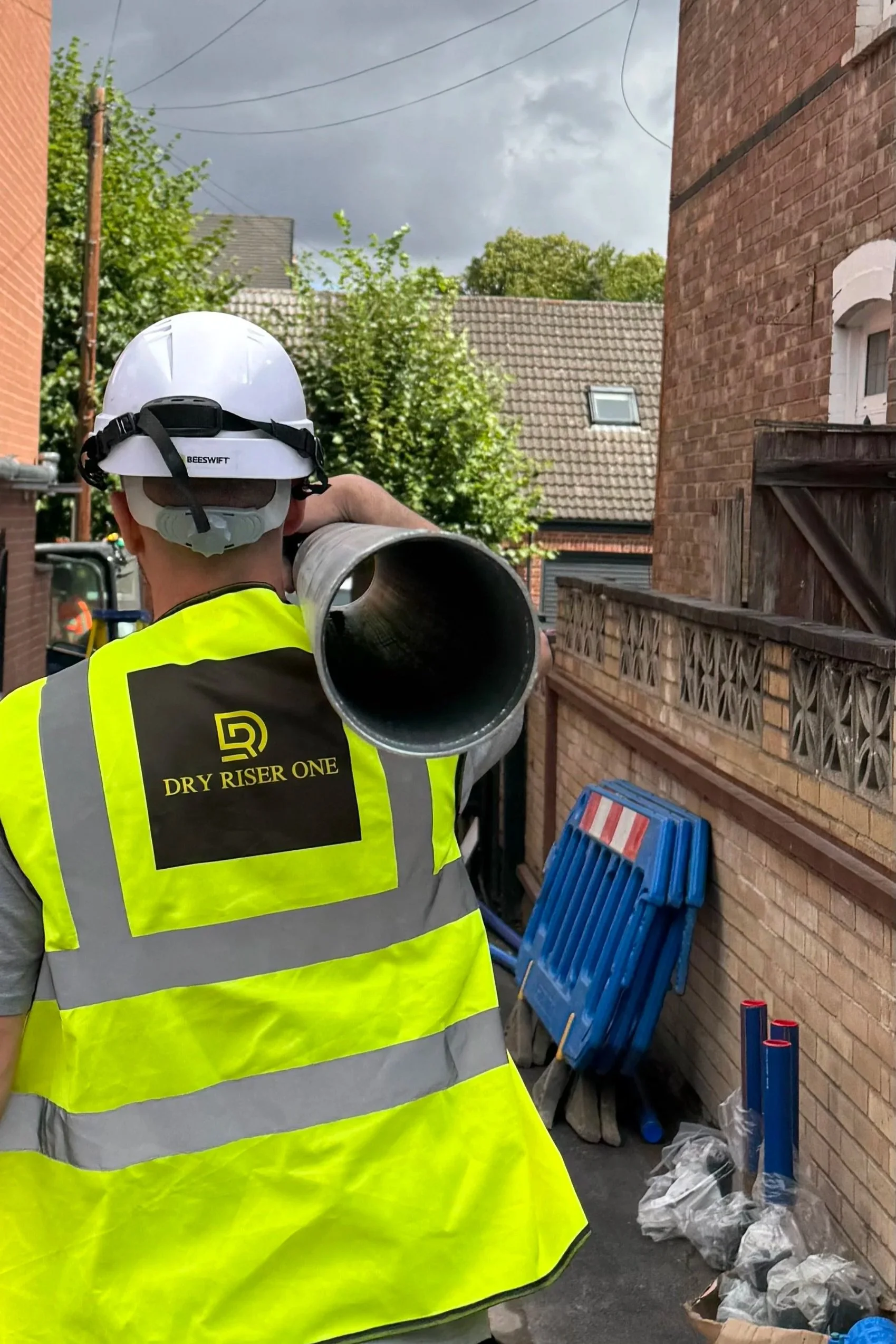
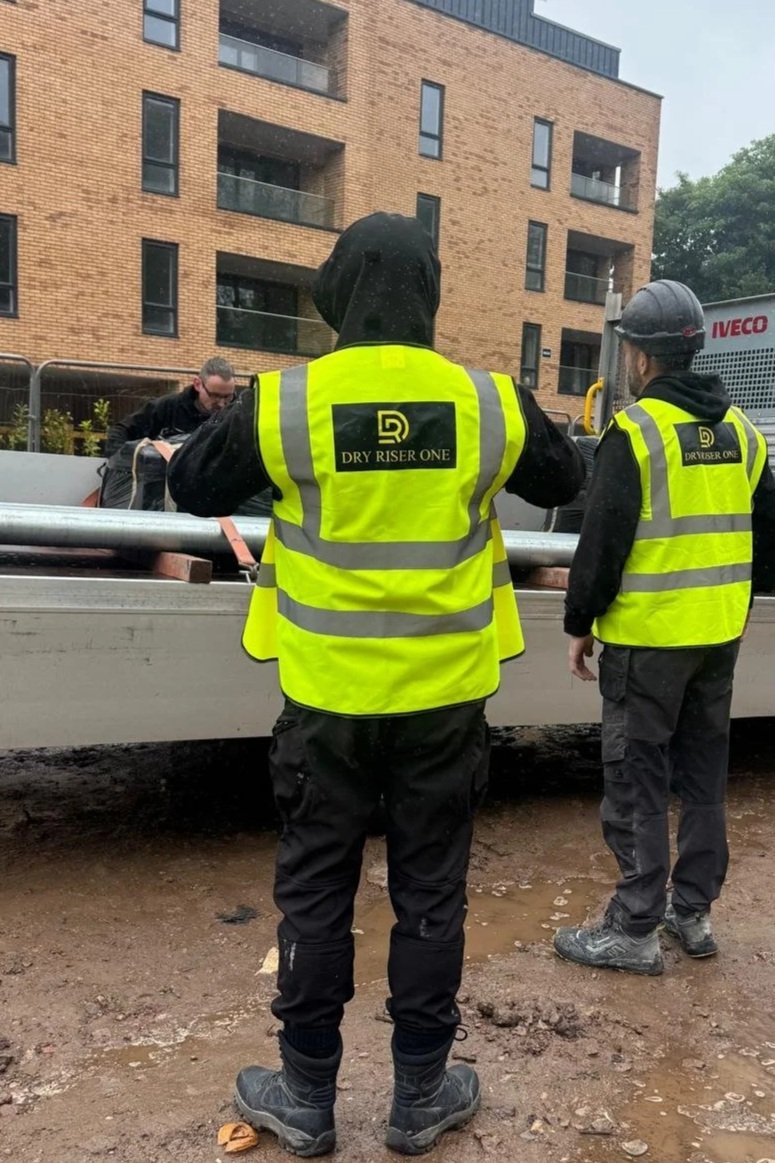
Our engineers carry out all remedial works using approved materials and components suitable for firefighting mains, ensuring that the system is restored to a safe and operational condition.
Restoring Compliance
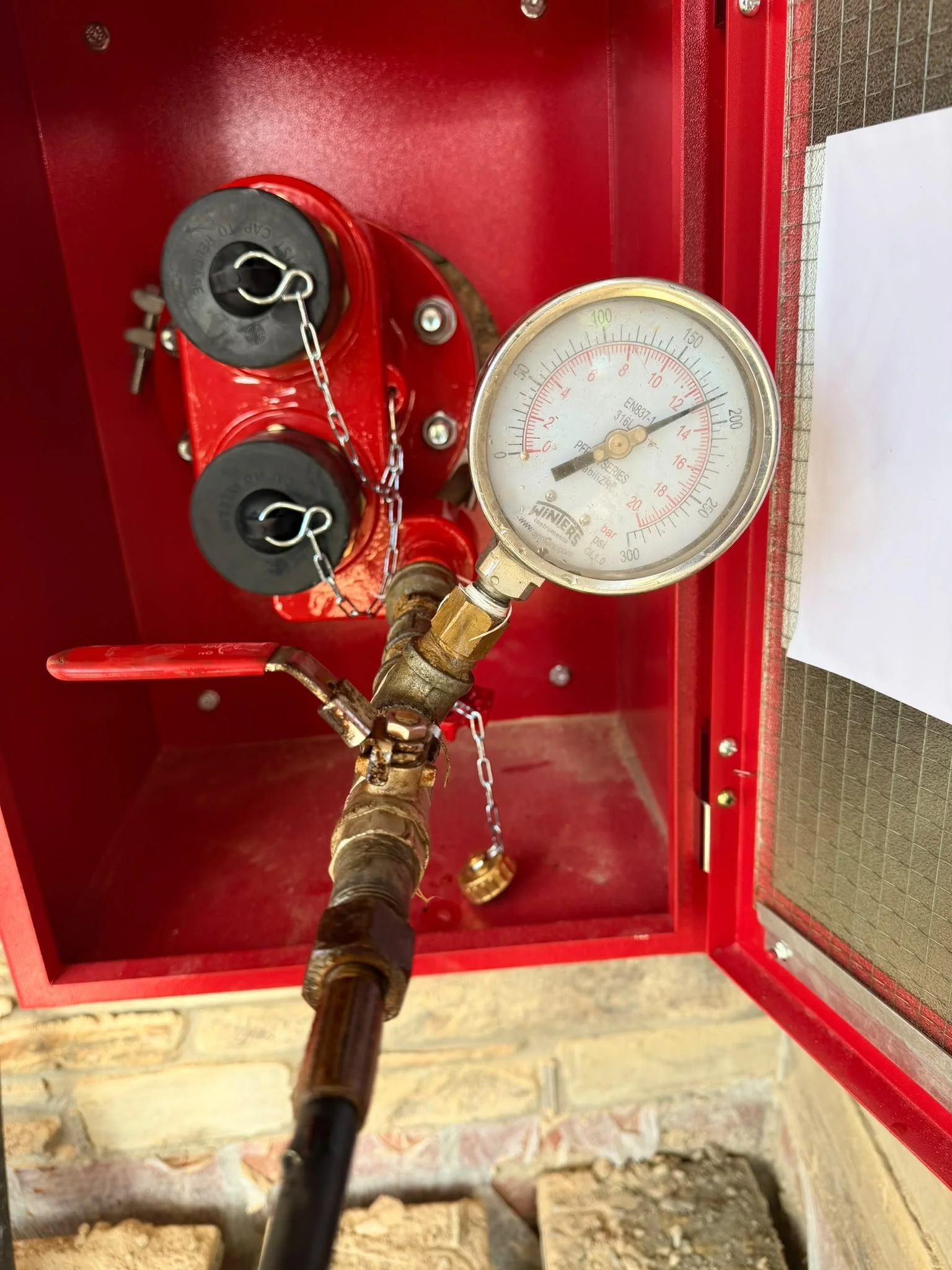
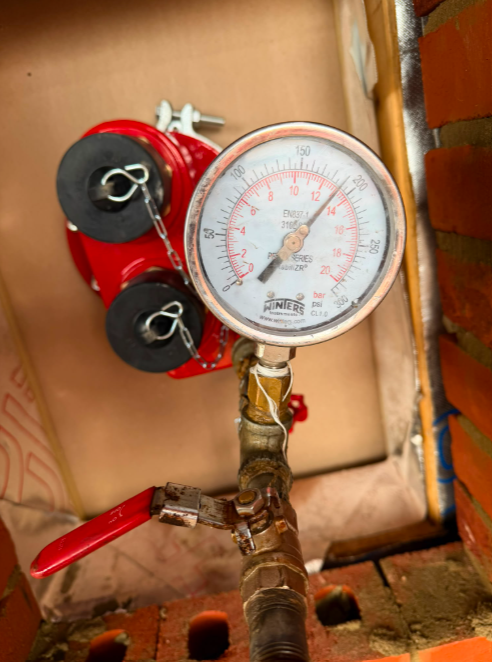
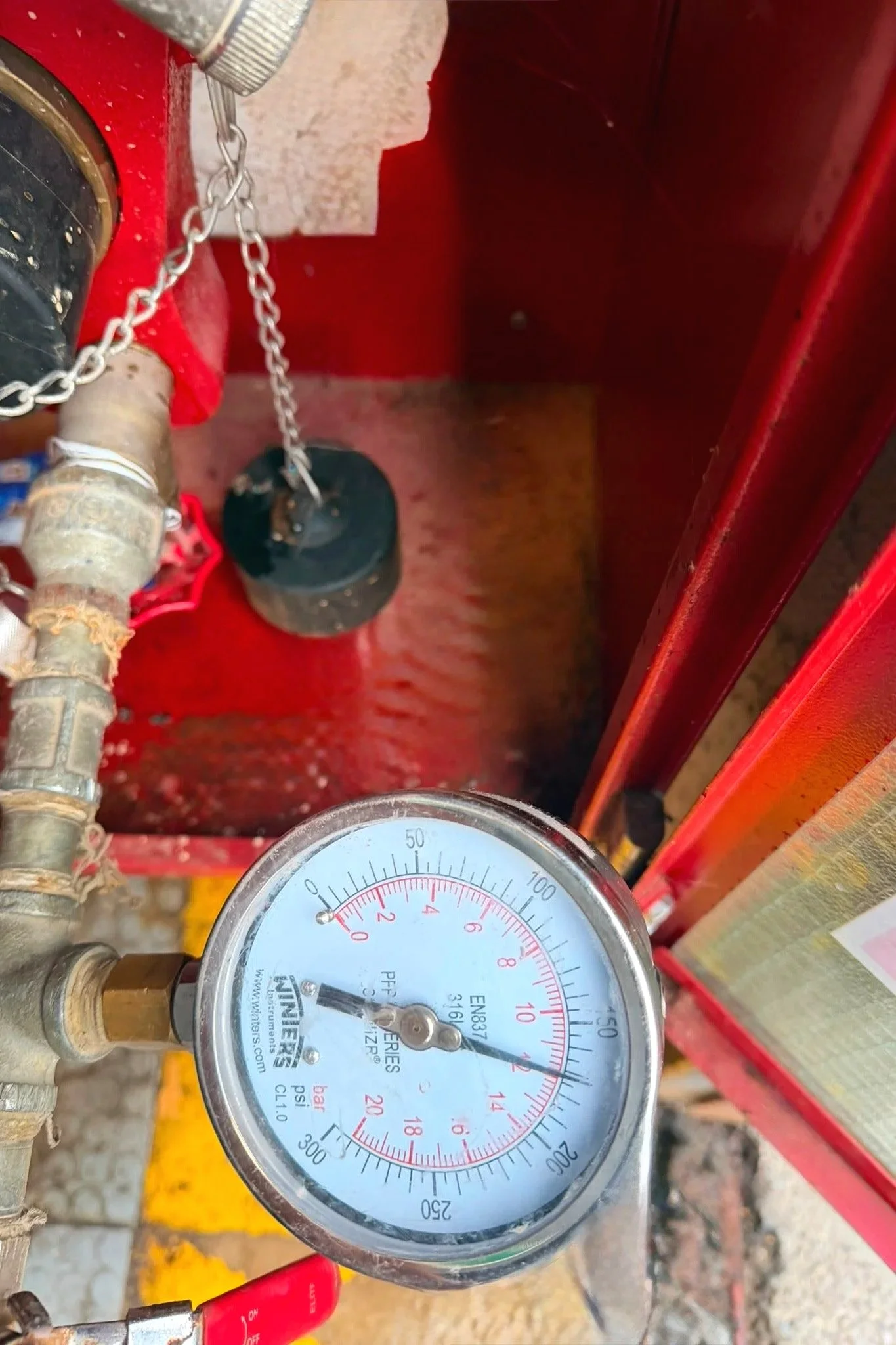
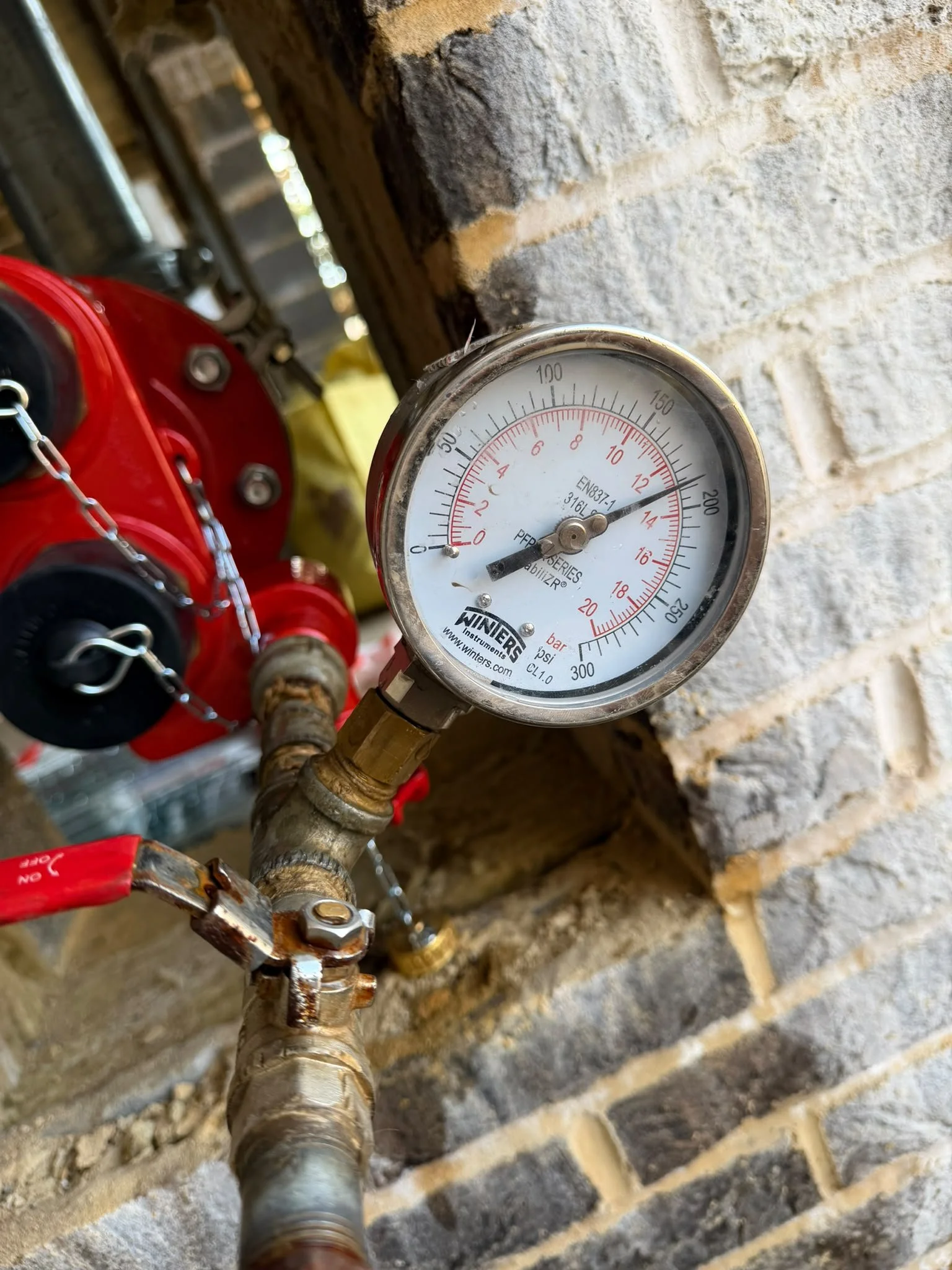
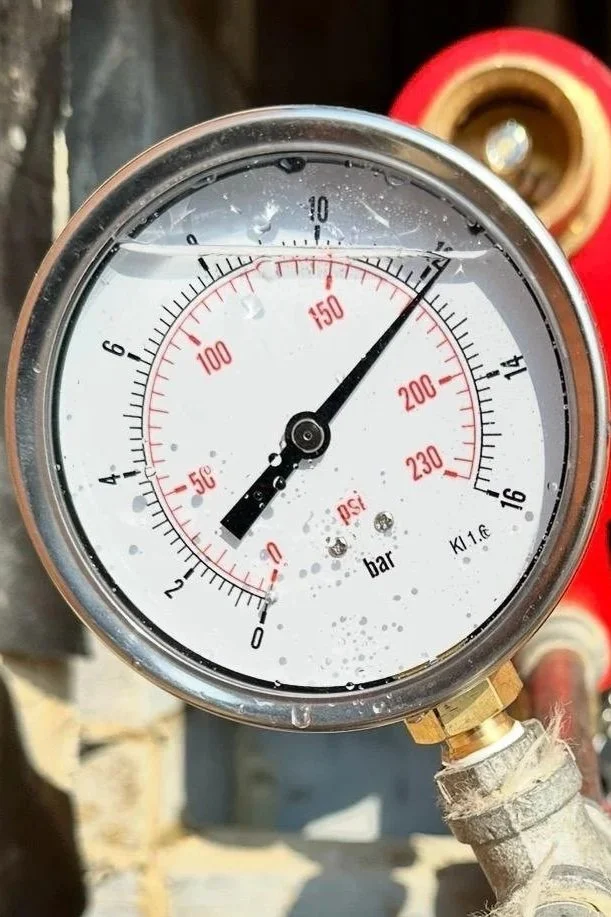
Following the completion of remedial works, the dry riser system is subjected to a pressure test of up to 12 bar to confirm the integrity of the pipework and connections.
Testing is carried out in accordance with the procedures used for standard dry riser servicing, ensuring the system meets the requirements of BS 9990:2015. Once testing has been successfully completed, the system can be certified as compliant and fully operational.

Our dry riser remedial works restore systems to full BS 9990:2015 compliance.
News & Articles