
Dry Riser Requirements for Residential Buildings (BS 9990:2015)
Building Requirements for Residential Buildings
A dry riser is a vertical pipe system installed within a building to allow the Fire & Rescue Service to deliver water quickly to upper floors during a fire. Unlike wet risers, which are permanently filled with water, dry risers remain empty until connected to a fire engine at ground level. This system provides a fast, efficient, and reliable method for firefighters to access water where it’s needed most - especially in taller residential developments.
Dry risers are typically required in buildings over 18 metres and up to 50 metres in height, as outlined in BS 9990:2015 and Building Regulations Approved Document B.
A building above 50 metres, a wet riser system is generally required due to the increased water pressure demands.
Higher-risk buildings are defined as buildings with at least two residential units which are at least 18 metres in height or have at least 7 storeys.
https://www.gov.uk/housing-local-and-community/building-regulation
Types of Buildings Over 18 Meters
Apartment Blocks and Flats: Private and social sector blocks constitute the majority of high-rise residential buildings.
Purpose-Built Student Accommodation: Often designed as towers to maximise density near universities
Sheltered and Supported Housing: Senior or assisted living facilities with multiple floors.
Mixed-Use Developments: Buildings combining commercial/retail on lower floors with residential apartments above. (More detail in our next article)
Large Houses in Multiple Occupation: High-occupancy residential buildings with shared facilities
Fire Risk Assessment & Planning
During planning, the fire risk assessment takes place, to ensure building fire complinace. Once the fire risk assessment is completed, the details of fire safety can be found, and arrangements for the dry riser system can begin.
Dry Riser System Components & Installation
A standard dry riser installation consists of a ground-level breeching inlet (external wall or boundary), where fire brigade can connect hoses from their fire engines and fill the system. From there, a galvanised steel pipe usually 100mm (4 inch) in diameter runs vertically through the building. Landing valves are fitted on each floor to provide access to pressurised water, while drain and air release valves ensure the system can be tested and maintained safely.
During installation, careful coordination is required to align the dry riser route with the building’s fire compartments and service shafts. Components must be securely supported and installed using industry approved materials to maintain the integrity of the dry riser. Once complete, the system is tested to 12 bar pressure for 15 minutes, ensuring the pipework is leak-free and compliant with British Standards.
Maintenance for Dry Riser Systems
Routine maintenance is equally essential. Visual inspections should take place every six months, with a full pressure test carried out annually to ensure the dry riser system is ready for a fire emergency. Dry Riser One emphasises that proper maintenance and certification are as important as installation itself helping ensure that the system performs in an emergency.
With increasing focus on fire safety in high-rise and multi-occupancy buildings, Dry Riser One continues to provide expert guidance, professional installation services, and reliable maintenance for dry riser systems nationwide - helping keep residential buildings compliant, protected, and ready for an emergency.
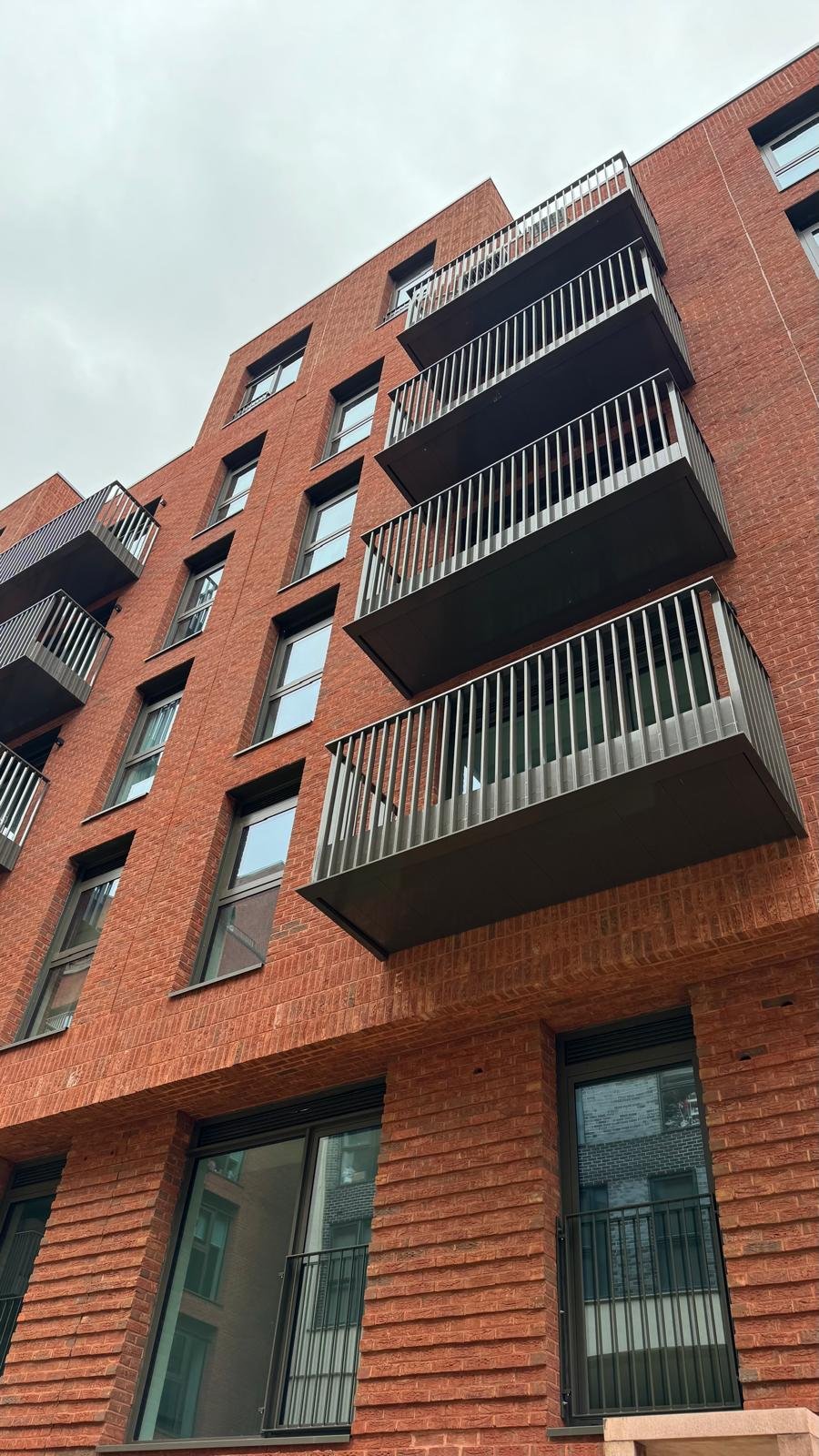
Dry Riser Requirements for Residential Buildings (BS 9990:2015)