What BS 9990:2015 Means for Dry Riser Pressure Testing
In the UK, BS 9990:2015 provides recognised guidance for non-automatic fire-fighting systems in buildings, including dry and wet fire mains. It covers good practice for the design, installation, testing and maintenance of these systems.
BS 9990:2015 is currently listed by BSI as “Current, Under Review”. A Draft for Public Comment (DPC) for the updated BS 9990 standard was issued in 2026, giving industry stakeholders the opportunity to review and comment on proposed changes before publication. Dry Riser One Ltd participated in the DPC process, reflecting our active involvement in industry best practice and our commitment to keeping clients informed as standards evolve. For building owners, managing agents, facilities managers and responsible persons, choosing a dry riser company with knowledge surrounding BS 9990:2015 is essential.
Why Dry Riser Systems Matter
A dry riser is a system of pipework, breeching inlet connections and landing valves installed within a building. Under normal conditions, the system remains empty. In the event of a fire, firefighters connect hoses to the inlet at ground level and pump water through the system to landing valves on the upper floors.
This means firefighters do not have to run charged hoses all the way up through stairwells from ground level. Instead, they can access water closer to the fire, helping them respond more quickly and effectively.
In a real life fire emergency, a maintained dry riser can make a real difference to response times and water delivery. However, the system is only useful if it works properly when needed. Regular inspection, testing and maintenance help identify issues before they become serious.
BS 9990:2015 and Dry Riser Pressure Requirements
One of the key areas covered by BS 9990:2015 is the performance of dry risers under pressure. Dry riser systems need to be capable of operating at the correct pressure so that water can be delivered effectively throughout the building.
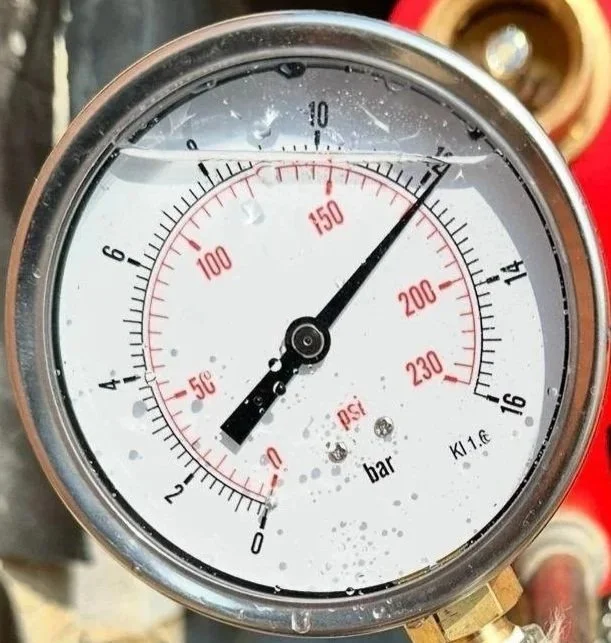
A commonly referenced requirement under BS 9990:2015 is that dry risers should have an operating pressure of 12 bar. This is important because pressure that is too low may result in poor water flow, especially on upper floors. Pressure that is uncontrolled or applied incorrectly can also place unnecessary stress on pipework, joints, valves and fittings.
As stated in BS 9990:2015 “Design operating pressure - Dry fire mains should have an operating pressure of 12 bar”
Pressure testing is not just a technical requirement. It is an important safety check that helps confirm the dry riser has been installed correctly, is free from significant leaks, and is ready to perform when needed in an emergency.
Why Correct Pressure Testing Is So Important
When firefighters connect to a dry riser, they need confidence that the system will perform as intended. If pressure cannot be achieved or maintained at 12 bar, water delivery may be delayed or inadequate.
Correct pressure testing helps to confirm:
The dry riser pipework can hold operational pressure
Breeching Inlets and landing valves are secure
Joints, flanges and fittings are not leaking
The system can be safely charged and depressurised
Any defects are identified and recorded
The building’s fire safety records remain up to date
Documented testing also provides evidence that reasonable steps have been taken to maintain fire safety equipment.
Key BS 9990:2015 Points for Dry Riser Systems
BS 9990:2015 includes guidance on several important parts of dry riser design, installation and maintenance. For dry riser systems, key considerations include breeching inlet connections, landing valves, drain valves, air release valves, pipework layout and access.
Dry riser systems are generally expected to be fitted with suitable breeching inlets, usually housed in a fully recessed inlet cabinet. Inlet positions should be accessible to the fire and rescue service and are usually located on the front façade of the building.
Landing valves should be provided at appropriate floor levels so that firefighters can connect hoses close to the area of operation. These valves should be accessible, protected where required and installed at a suitable height for practical use.
Air release valves allow air to be vented from the system when it is charged. Drain valves help ensure the system can be safely emptied after testing or use.
These details help ensure that the dry riser is not only installed correctly, but also practical and safe for firefighters to use during an emergency.
Safe Dry Riser Testing Practices
Dry riser pressure testing must always be carried out carefully and by competent engineers. Applying pressure too quickly or without proper control can damage the system or the building.
A safe testing process should include checking that valves, caps and fittings are in place before the test begins. Pressure should be applied gradually, monitored throughout and released safely once testing is complete. Any leaks, pressure drops or defective components should be recorded and reported clearly. Testing should also be planned to minimise disruption to building users. In occupied buildings, communication is important so residents, tenants, site teams or managing agents know what work is taking place and why.
Professional dry riser engineers should use suitable equipment, follow safe working procedures and provide clear documentation once the test is complete.
Common Dry Riser Issues Found During Testing
Regular dry riser maintenance often identifies problems that may not be obvious during day-to-day building management. Common issues include leaking landing valves, missing blank caps, damaged inlet cabinets, seized valves, corrosion, vandalism, poor signage, blocked access and pressure loss during testing.
Even small issues can affect performance during an emergency. For example, a missing cap or damaged valve may allow water to escape, reducing pressure and making firefighting more difficult. Corrosion inside pipework can weaken the system over time, while poor access can delay firefighters when every second matters.
This is why planned maintenance is always better than reactive repair. A dry riser system should be treated as a critical life safety asset, not just a compliance item.
Legal Responsibility and Fire Safety Compliance
Under UK fire safety legislation, responsible persons have a duty to ensure that fire safety systems are properly maintained. For buildings with dry riser systems, this means arranging suitable inspection, testing, repair and record keeping. Failure to maintain a dry riser can create serious consequences. In the event of an emergancy, a failed dry riser system could delay firefighting operations and increase risk to occupants and firefighters. From a compliance perspective, poor maintenance records may also expose duty holders to legal, financial and reputational risk.
BS 9990:2015 plays an important role in dry riser safety. It sets out good practice for the design, installation, testing and maintenance of non-automatic fire-fighting systems in buildings. For dry risers, pressure testing is especially important because it confirms that the system can hold pressure to 12 bar and deliver water effectively during an emergency.
For building owners and responsible persons, maintaining a dry riser is not optional. It is part of a wider duty to manage fire safety risk and protect people, property and firefighters.
Why Choose a Specialist Dry Riser Company?
Dry riser systems should always be inspected, tested and maintained by competent engineers. A specialist dry riser company understands the requirements of BS 9990:2015, but just as importantly, understands how dry risers are used in real firefighting situations and it means the system is checked not only for compliance, but also for reliability, access, usability and safety.
For building owners, managing agents and responsible persons, working with a specialist gives added peace of mind. You can be confident that testing is carried out properly, any faults are clearly identified, and recommended repairs are explained in a straightforward way. It also helps ensure that accurate maintenance records are kept, supporting fire safety compliance, insurance requirements and ongoing property management.
If your dry riser is due for annual pressure testing, inspection or repair, Dry Riser One Ltd can help confirm whether the system is holding pressure correctly and remains ready for use in an emergency.
If your dry riser system is due for testing, inspection, repair or replacement, Dry Riser One Ltd can help make sure it remains safe, compliant and ready for use.
Sources: