
Dry Riser Testing & Maintenance Explained
Understand the testing and maintenance needed to keep dry risers compliant
What Is A Dry Riser?
If you're responsible for a building, you've probably come across the term "dry riser" at some point. But unless you work in fire safety, you may not know exactly what one is, how it works, or how often it needs to be tested.
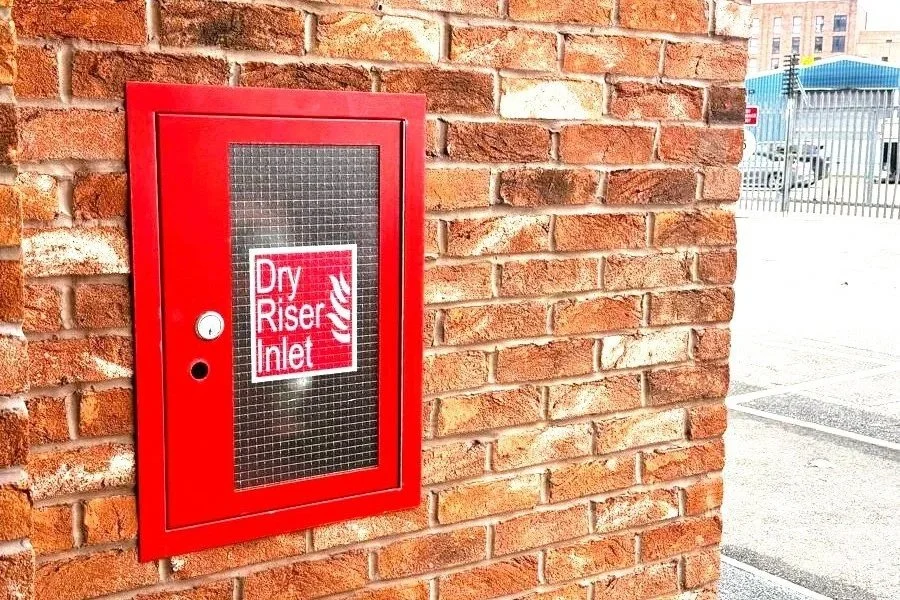
A dry riser is a firefighting system of pipes and valves installed in buildings typically over 18-metres that allows firefighters to quickly pump water to upper floors during a fire. Instead of dragging long lengths of hose up multiple flights of stairs, firefighters can connect to the dry riser at ground level and access water much closer to the fire.
Because dry risers play such an important role in an emergency, they need to be regularly inspected and tested to make sure they'll work when they're needed most. In simple terms, a dry riser is there to help firefighters get water to upper floors as quickly as possible when every second counts.
How Often Should a Dry Riser Be Tested?
The simple answer is that a dry riser should be visually inspected every six months and pressure tested every year as stated in BS 9990:2015.
The six-month inspection is a routine check to make sure everything is in good condition. Engineers will look at the breeching inlets, landing valves, pipework, and other parts such as air release valves and drain valves to ensure there are no obvious signs of damage, corrosion, or tampering.
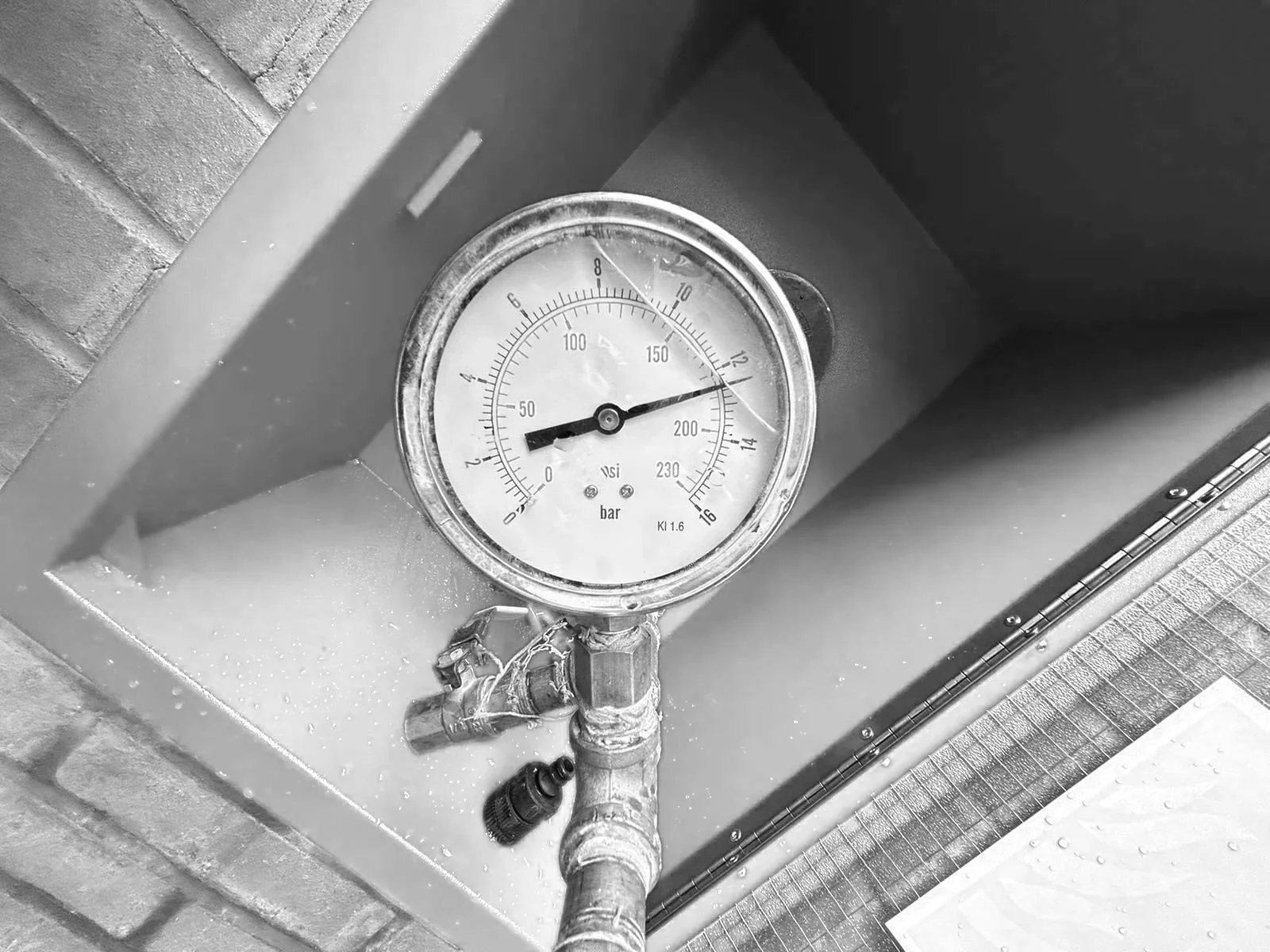
Once a year, the dry riser should also undergo a full pressure test. This involves filling the dry riser with water and testing it for 15 minutes under 12 bar of pressure to make sure there are no leaks and that the dry riser remains watertight throughout. Even a small fault can affect performance in an emergency, so annual testing is an essential part of maintaining the dry riser.
Why Is Testing Necessary If the Dry Riser Is Rarely Used?
This is one of the most common questions we hear.
Because dry risers aren't used every day, many people assume they don't require much attention. In reality, the opposite is often true.
Over time, components can corrode, valves can become damaged, and parts can go missing without anyone noticing. Exposure to weather, accidental damage, and general wear and tear can all affect the condition of the dry riser.
The last thing any building owner wants is to discover a fault when firefighters need to use the system during a fire emergency. Regular testing helps identify problems early and provides peace of mind that the dry riser is ready to perform when required.
What Happens During a Dry Riser Test?
A professional dry riser test is designed to confirm that the system is functioning correctly and remains compliant with current standards.
During the inspection, engineers will examine the condition of the pipework, valves, inlets, outlets, drain valves and air release valves. The annual pressure test then checks the integrity of the entire system by filling it with water and monitoring for leaks or pressure loss.
Once completed, you'll receive documentation confirming the test results and highlighting any issues that may require attention.
Is Dry Riser Testing a Legal Requirement?
Building owners and those responsible for fire safety have a duty to ensure that dry riser systems are properly maintained.
Regular dry riser testing is recognised as an important part of meeting these responsibilities and helping to keep buildings safe for occupants, visitors, and emergency services. Keeping up with inspections and annual testing also helps demonstrate that the system has been maintained in line with BS 9990:2015.
Many building owners only think about their dry riser when a test is due. However, keeping up with regular inspections and maintenance can help identify issues early, reduce the likelihood of costly repairs, and ensure the system remains ready for use by the fire service at all times.
With Dry Riser One Ltd, you can be confident your dry riser system is maintained to the highest standard in line with the recommendations of BS 9990. Our experienced engineers carry out thorough inspections and testing to help ensure your system remains reliable, compliant and ready for use when it matters most.
Don't Wait Until There's a Problem
Like most fire safety equipment, dry risers are something you hope you'll never need. However, if the day comes when firefighters rely on your system, it needs to work exactly as intended.
Regular inspections and annual testing help ensure your dry riser remains in good condition, stays compliant, and is ready for use in an emergency.
Need Dry Riser Testing Across Multiple Buildings?
If you're responsible for several properties with dry riser systems, keeping track of inspection dates and annual testing requirements can be challenging. We work with property managers, facilities teams, and building owners to provide planned dry riser maintenance and testing programmes, helping ensure every system remains compliant and ready for use.
If you're unsure when your dry riser was last inspected or tested, it's worth checking your maintenance records. Staying on top of testing schedules not only helps maintain compliance but also ensures your building's dry risers remain ready for use when needed.
Whether you require a dry riser inspection, annual testing, maintenance, or a new installation, our team is here to help. Contact us at enquiries@dryriserone.co.uk to discuss your requirements and arrange a free quotation.
For more information, please visit our FAQ page here