Fire Hydrant Testing
We help our clients keep fire hydrants accessible, identifiable and ready for emergency use.
Private hydrant specialists.
Clear reporting.
Private fire hydrants play a critical role in emergency response. If a hydrant is obstructed, damaged, leaking, difficult to operate or unable to provide sufficient flow, it can compromise firefighting operations when water is needed most.
Our fire hydrant testing service is designed to assess the condition, accessibility and operational performance of private hydrants, helping you identify defects early and maintain confidence in the system.
Residential developments l Commercial buildings l Schools and Universities
Healthcare facilities l Industrial sites l Public-sector properties l Mixed-use developments
01 / INSPECTION
Hydrant inspections
Routine visual and physical inspections to assess the condition of the hydrant pit, cover, frame, signage, valve area and accessibility.
02 / TESTING
Flow & pressure
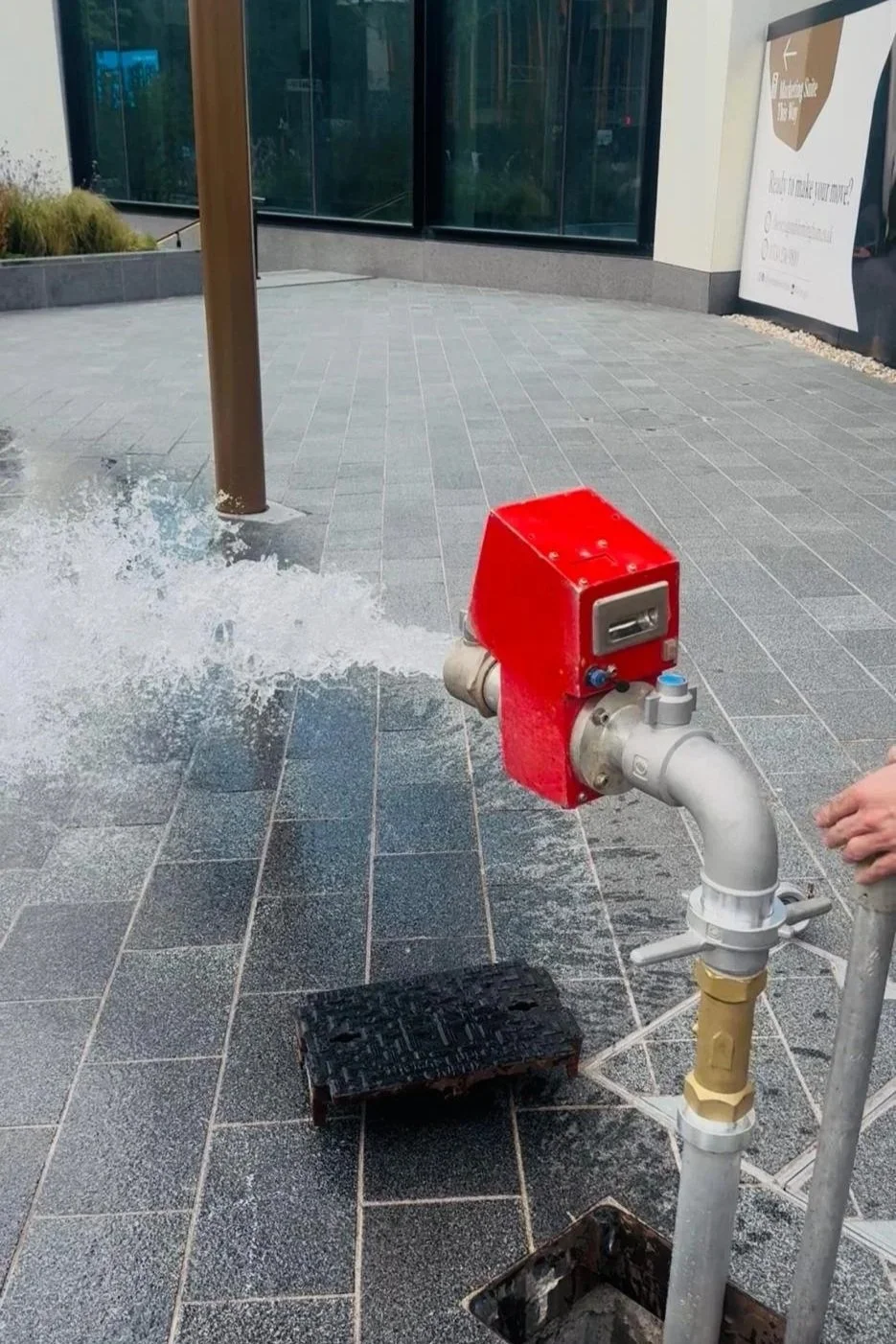
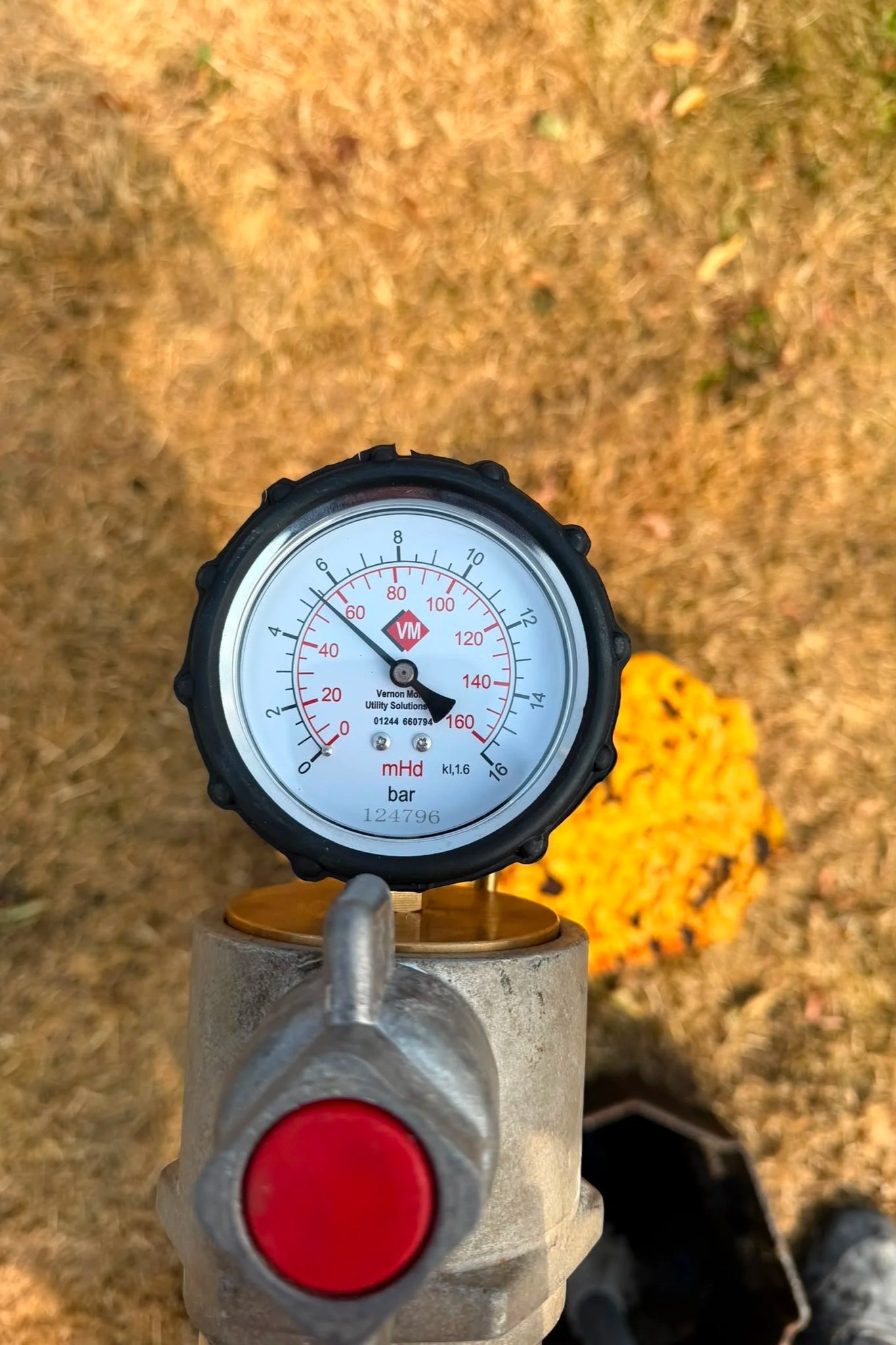
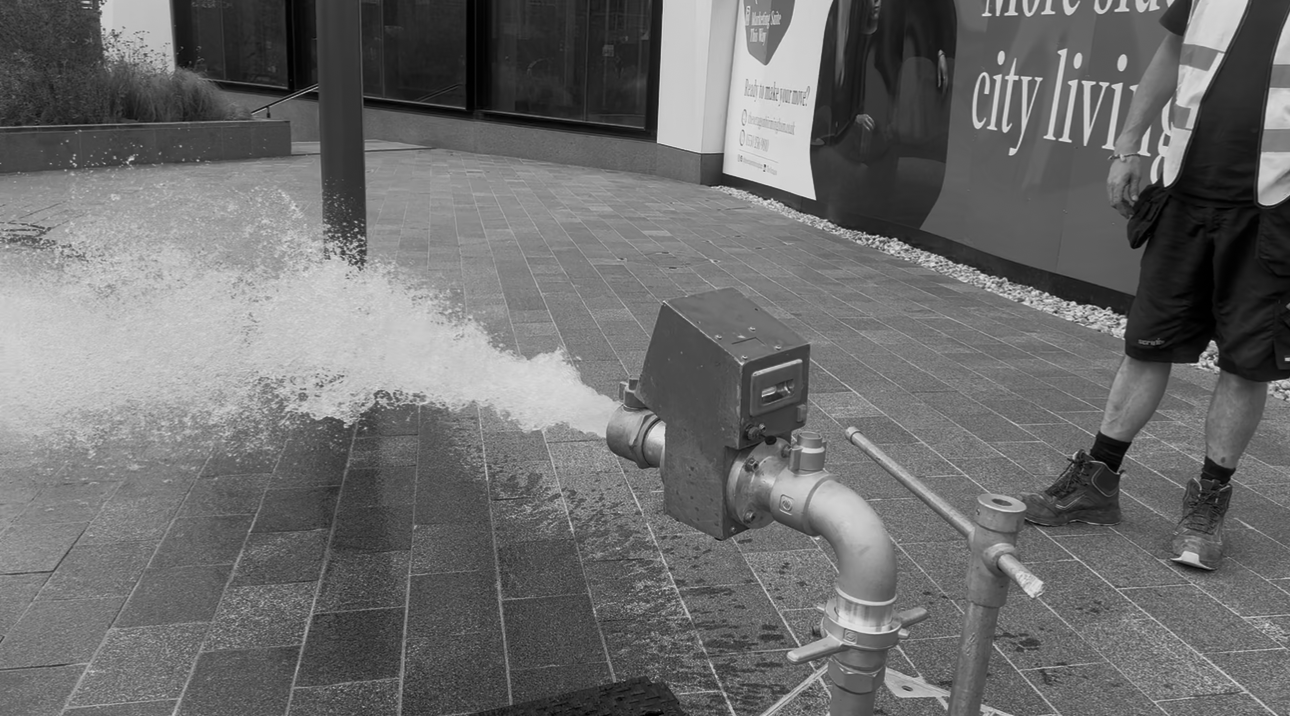
Operational testing to help confirm hydrant performance, including discharge checks and identification of poor flow or pressure issues.
03 / REPORTING
Clear defect reporting
Straightforward inspection records, defect identification and recommendations for repairs, maintenance or further investigation.

Project Locations
We provide expert fire hydrant inspection, flow testing and maintenance services throughout the UK. Our team covers major cities and towns across England, Scotland and Wales, including London, Cardiff, Edinburgh, Glasgow, Manchester, Birmingham, Leeds, Liverpool, Bristol and many more locations around the UK.
What is fire hydrant testing?
What Fire Hydrant Testing Involves
Fire hydrant testing involves testing and inspecting hydrants to ensure they are in good working condition and ready for use in the event of a fire emergency.
Depending on the hydrant type, site conditions and scope of service, testing may include:
01 Visual inspection of the hydrant location
02 Inspection of pits, frames and covers
03 Checking surrounding paving and access
04 Confirming the hydrant is clearly indicated
05 Assessing valve condition and fittings
06 Checking whether the pit is dry, clean and free-draining
07 Standpipe connection and operation test
08 Flow and pressure observations
09 Recording defects and recommendations
What You’ll Receive From Our Fire Hydrant Service
Following your fire hydrant inspection and testing, you’ll receive a clear, professional report detailing the condition and performance of your hydrant.
Your report will include:
The hydrant’s overall condition and serviceability
Recorded flow rates and water pressures at the time of testing
Any defects, concerns or recommended remedial works
Confirmation that the inspection has been carried out with reference to the relevant British Standards
The information you need to compare the test results against the flow and pressure requirements within your building’s fire strategy
Our reports are designed to give you a clear record of your hydrant’s performance.