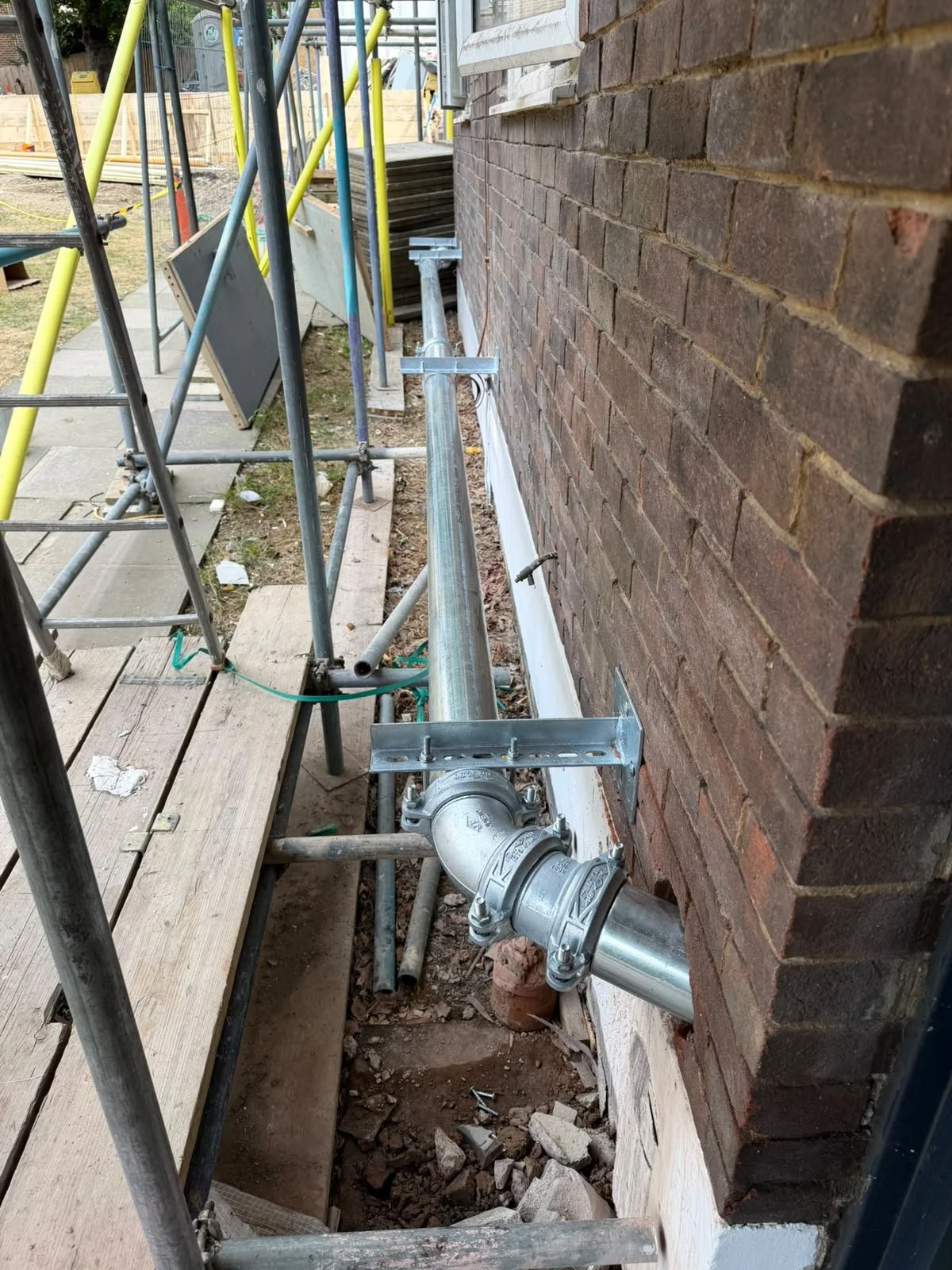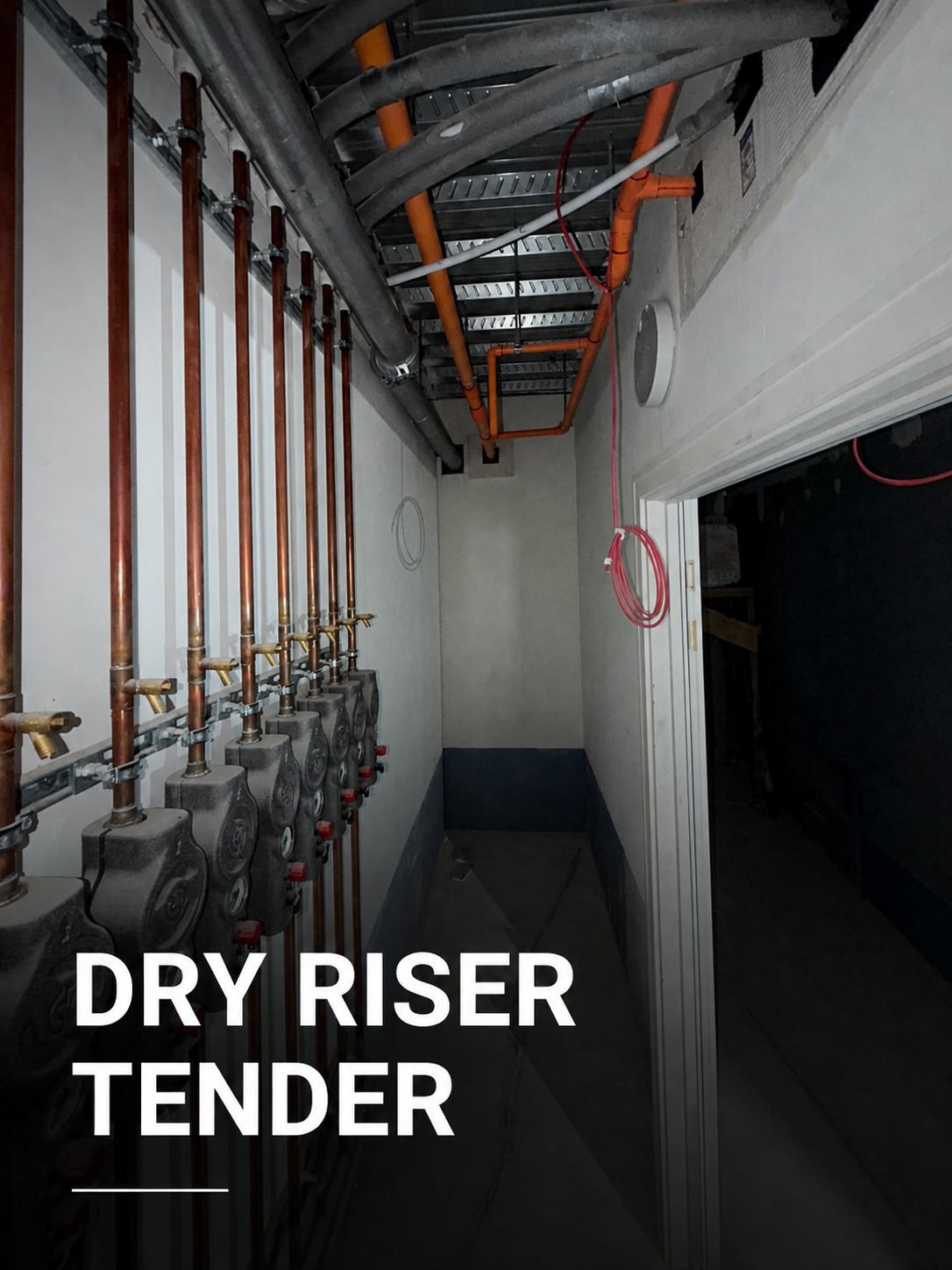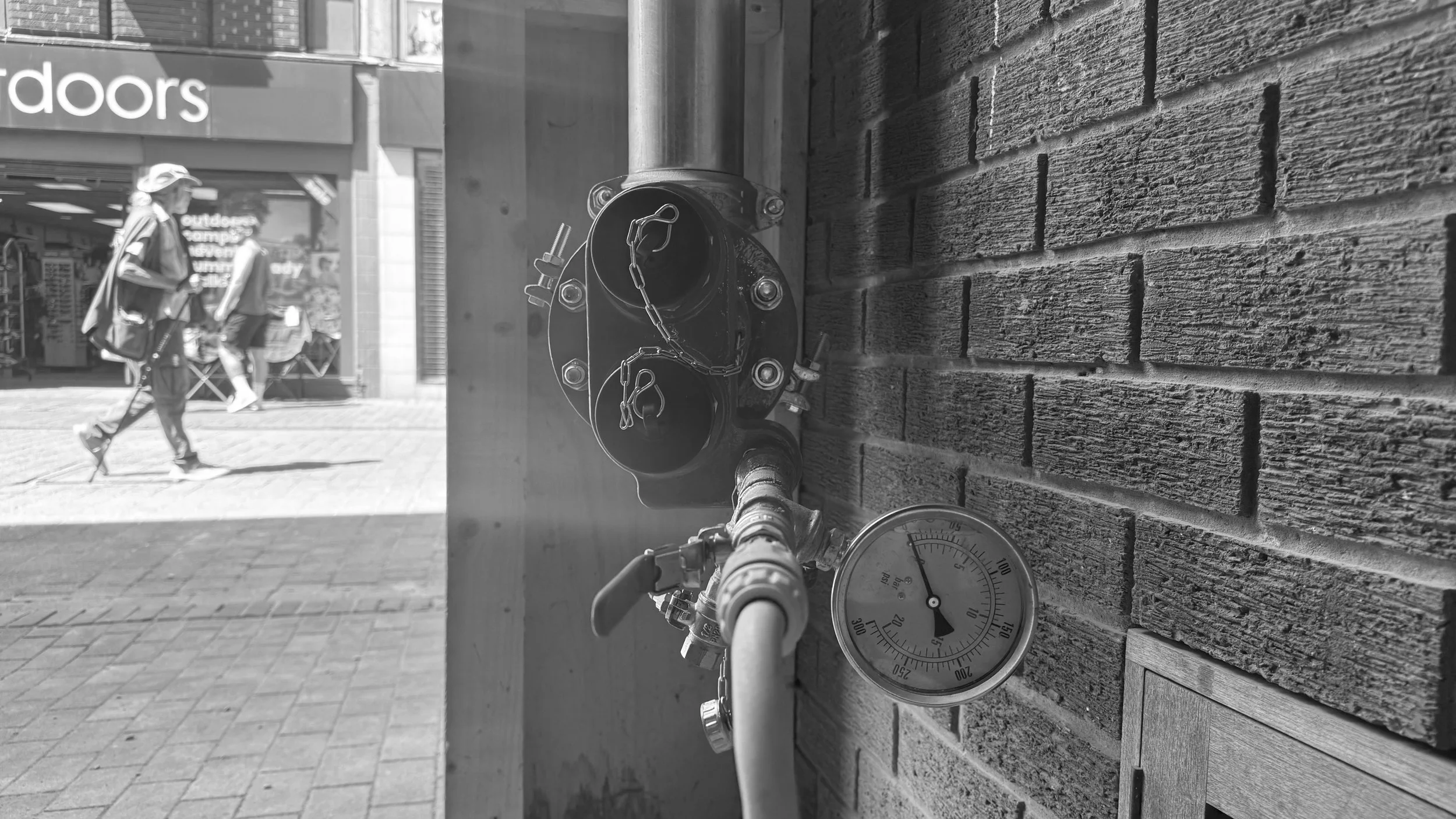
Dry Riser Servicing
Routine servicing to maintain system performance.
Applicable Standards and Guidance
Dry riser systems must be designed, installed, tested, and maintained in accordance with current UK legislation and guidance, including:
BS 9990:2015 (as amended) Code of practice for non-automatic fire-fighting systems in buildings, including dry and wet risers.
Building Regulations – Approved Document B (Fire Safety) These documents collectively set out best practice and legal expectations for dry riser systems.
Testing and Inspection Requirements
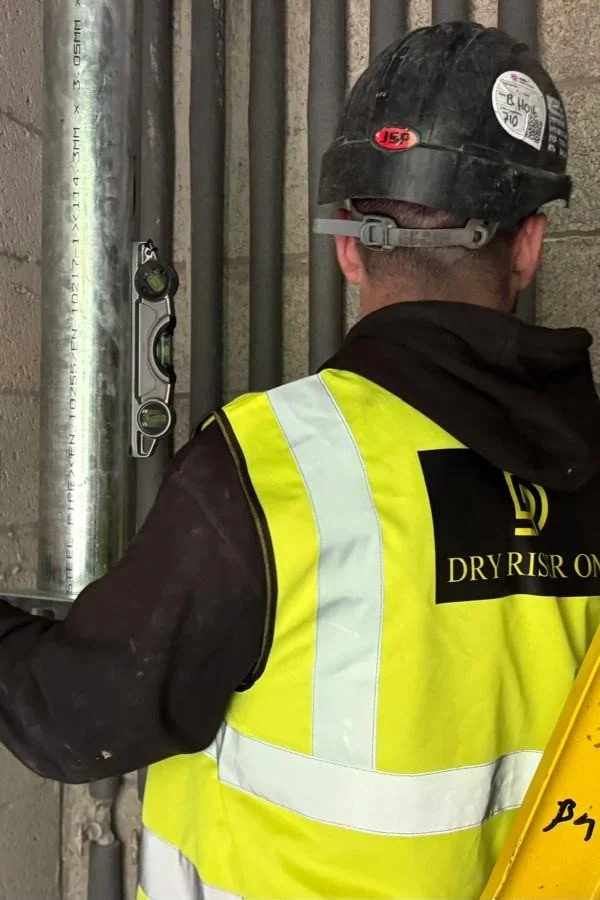
The visual inspection is a non-disruptive process typically completed within 30 minutes, depending on building size. Engineers will inspect all accessible components and record any defects or non-compliances. This includes checking:
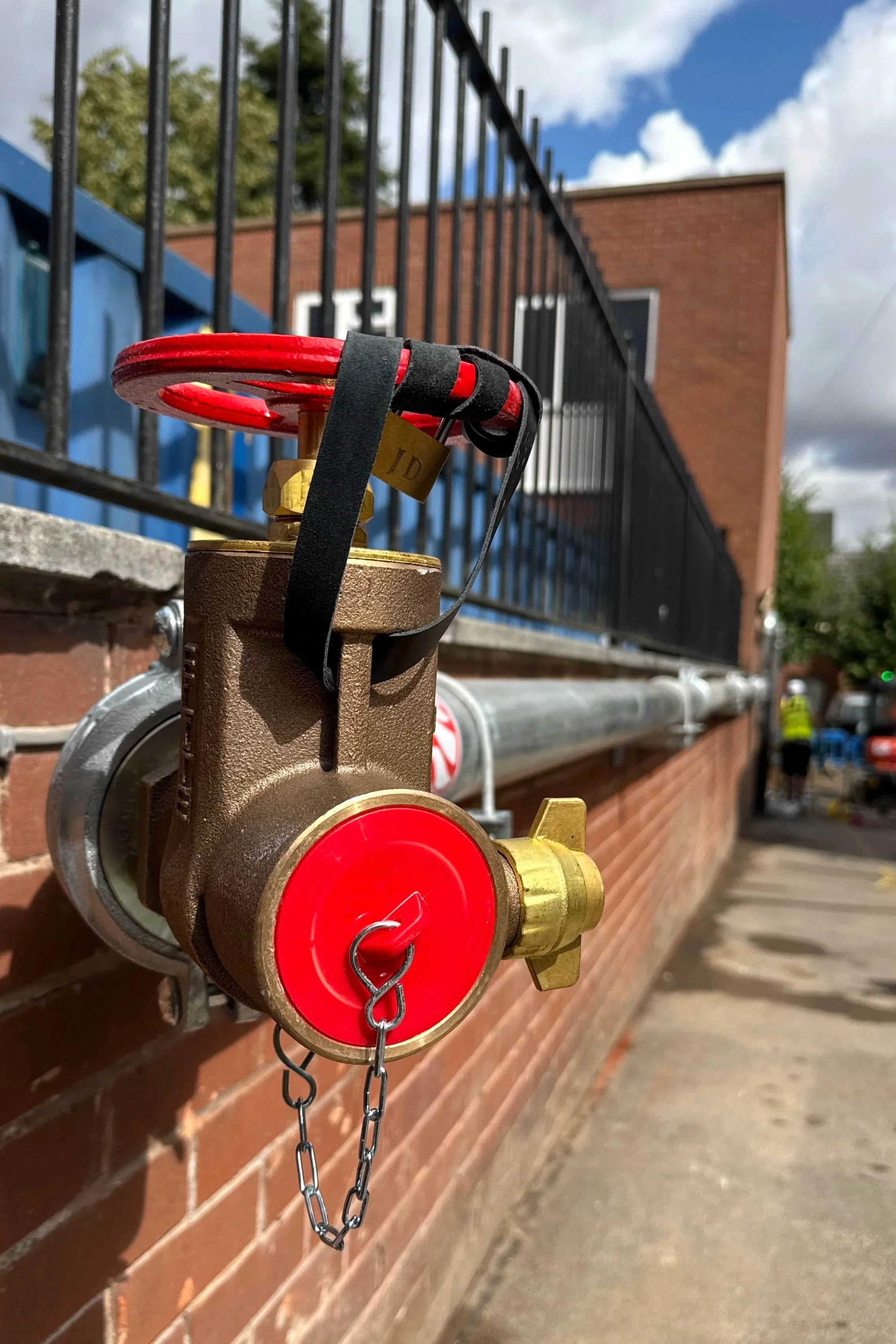
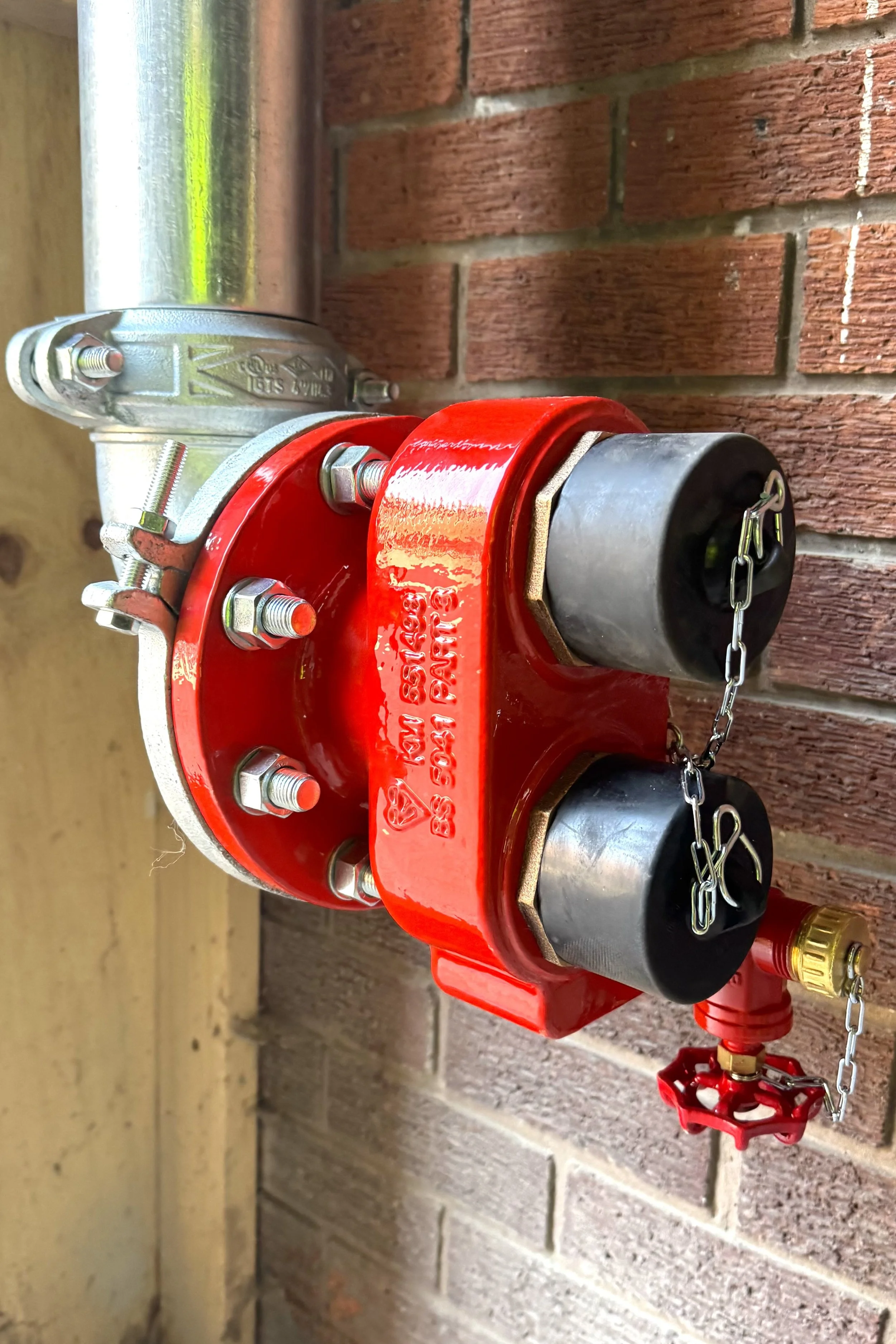
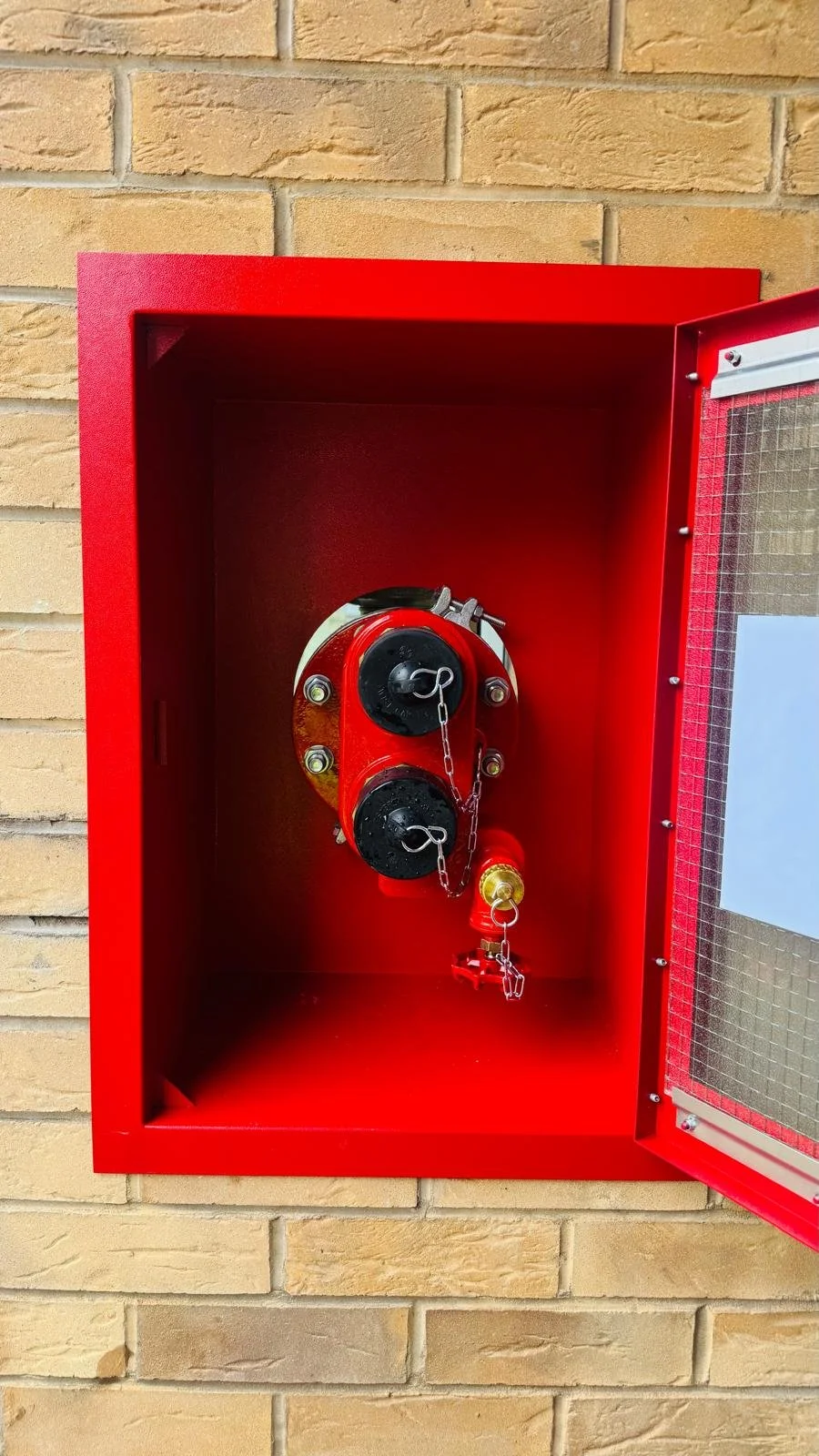
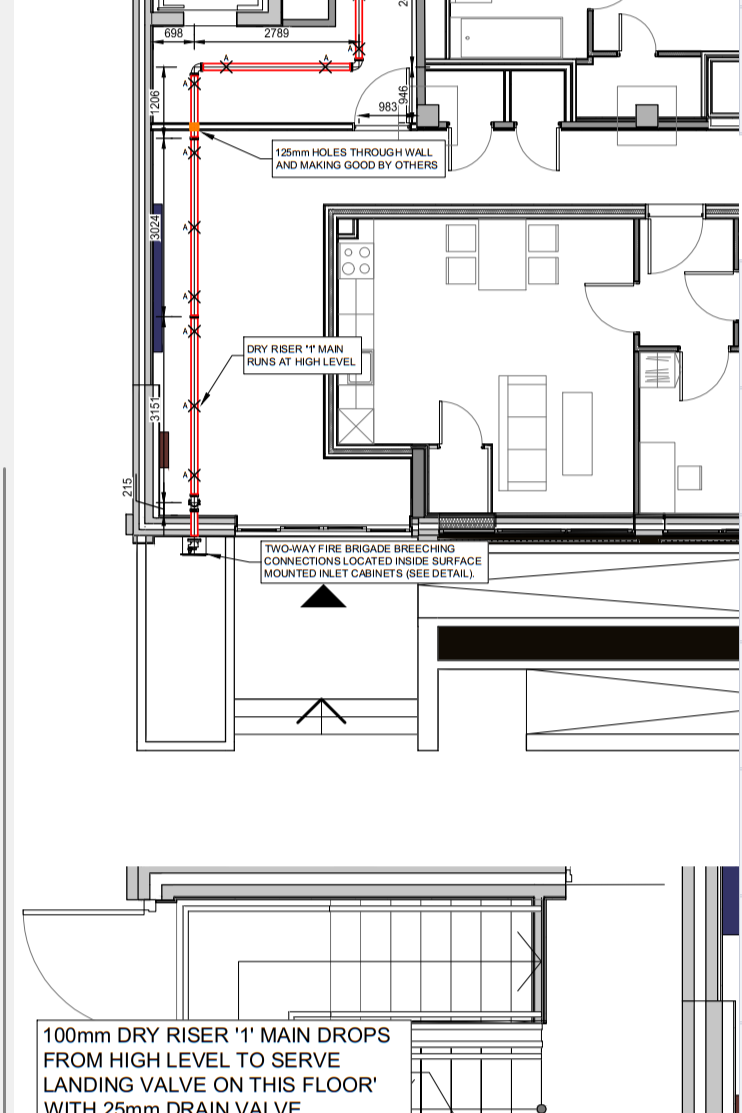
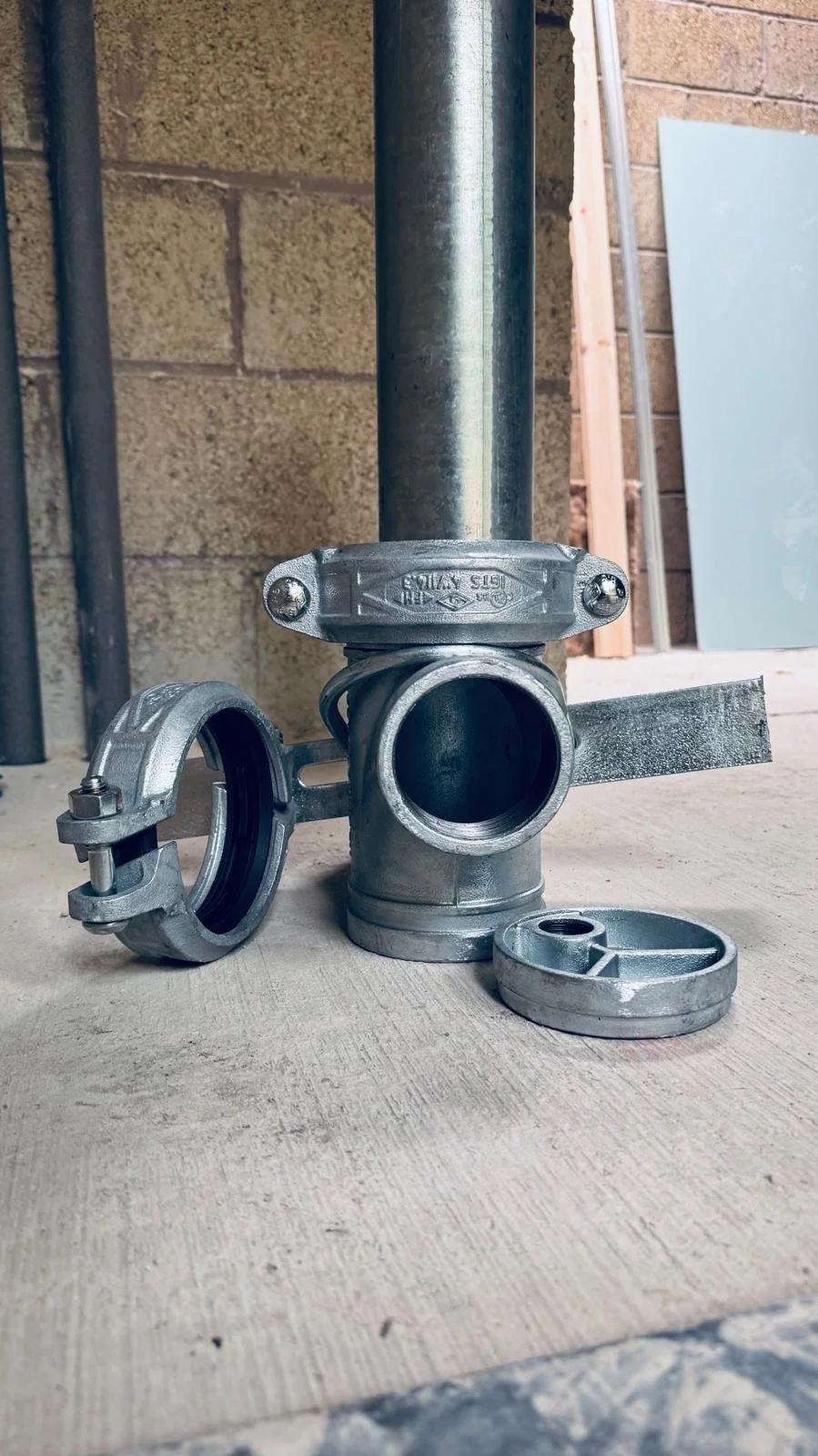
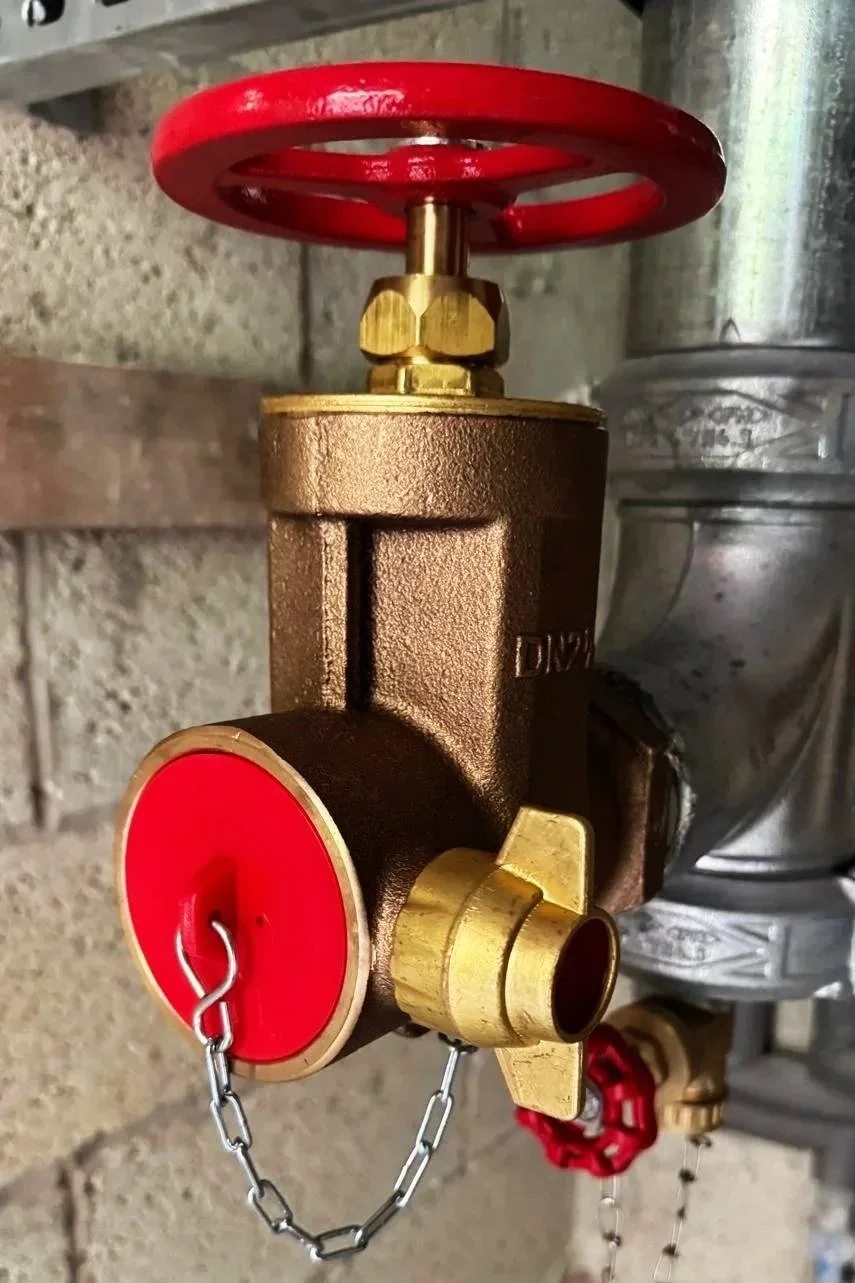
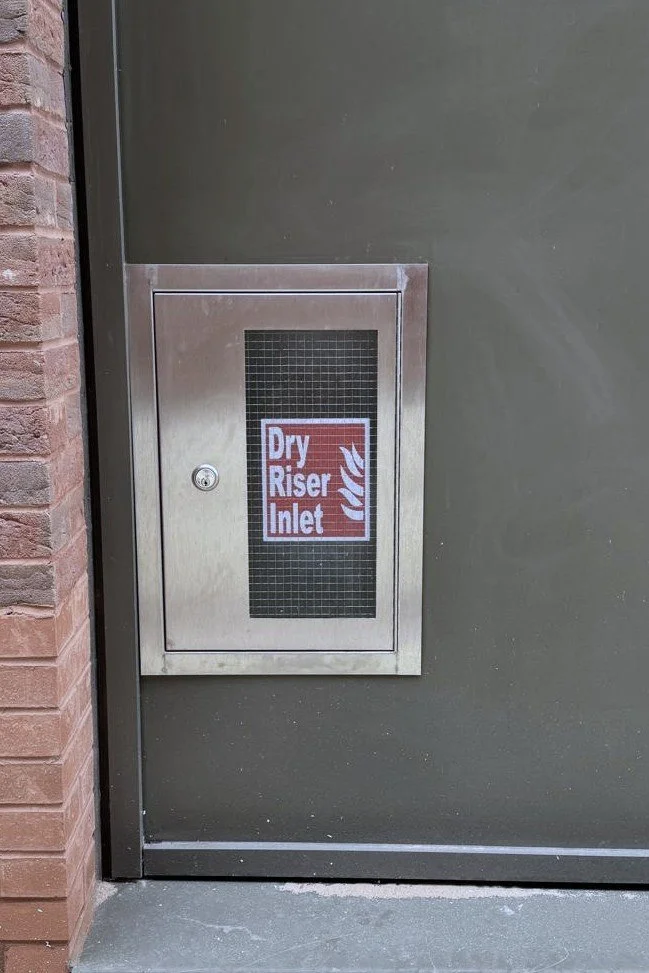
Breeching inlets and caps
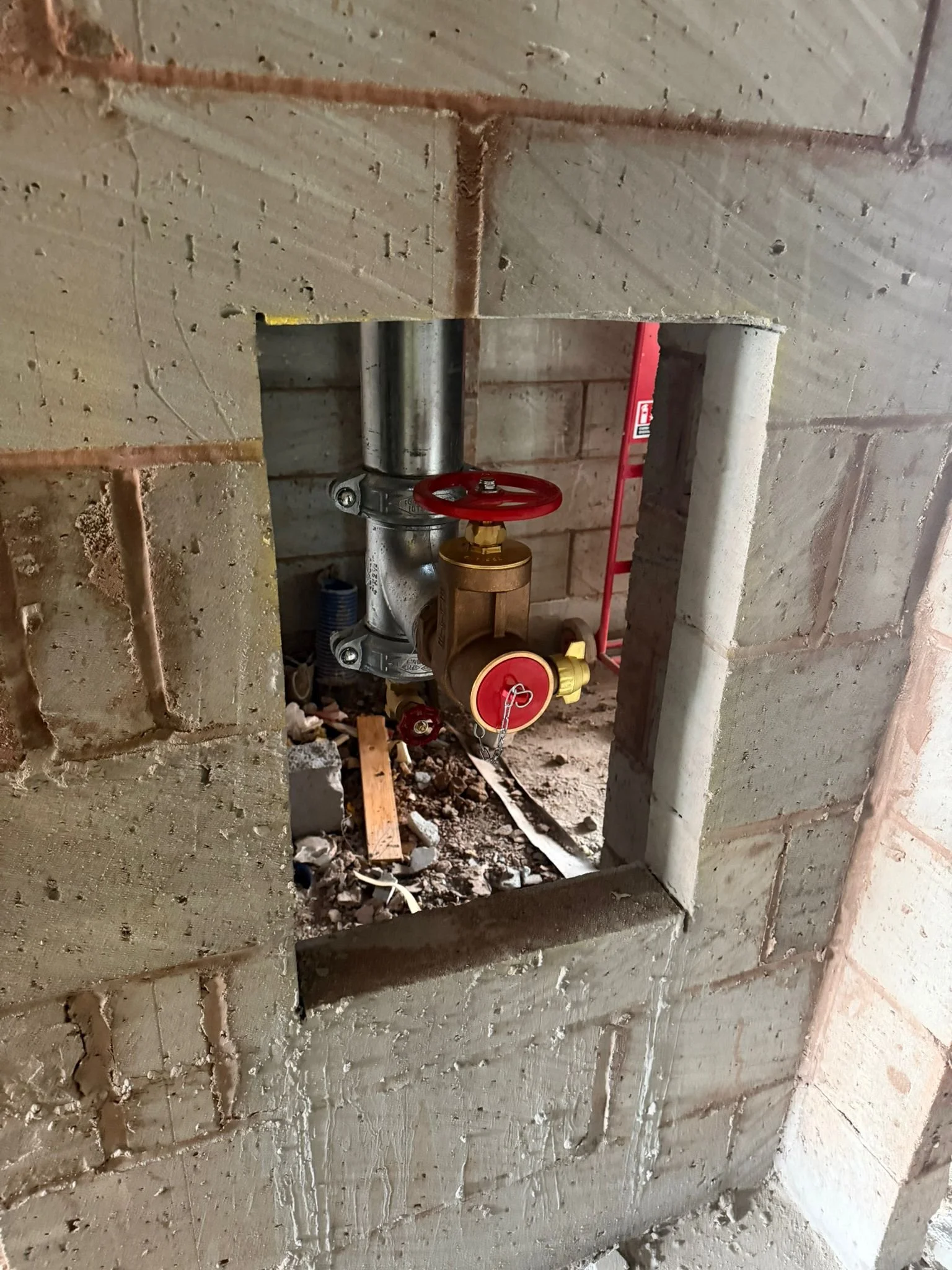
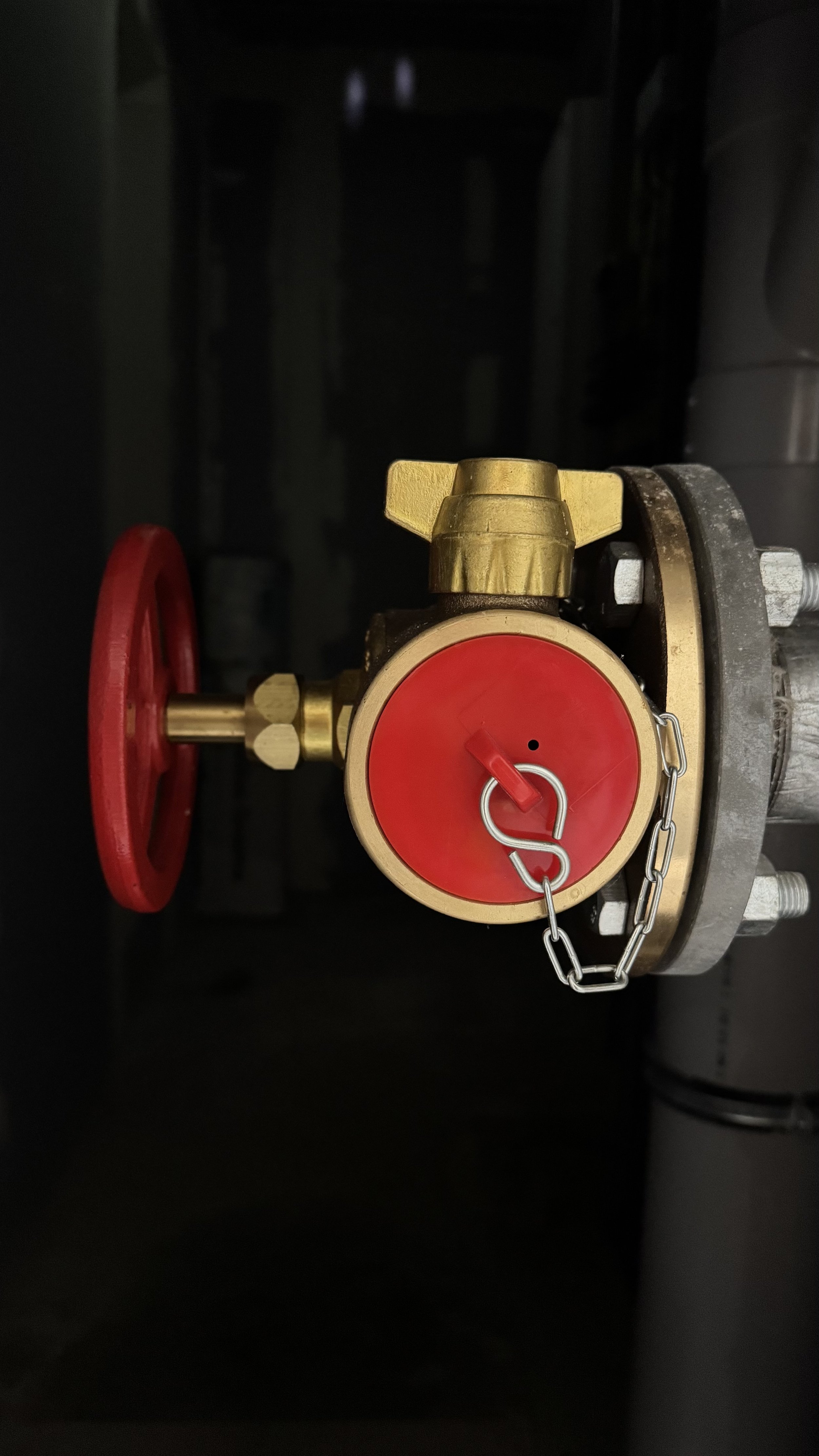
Landing valves on all floors
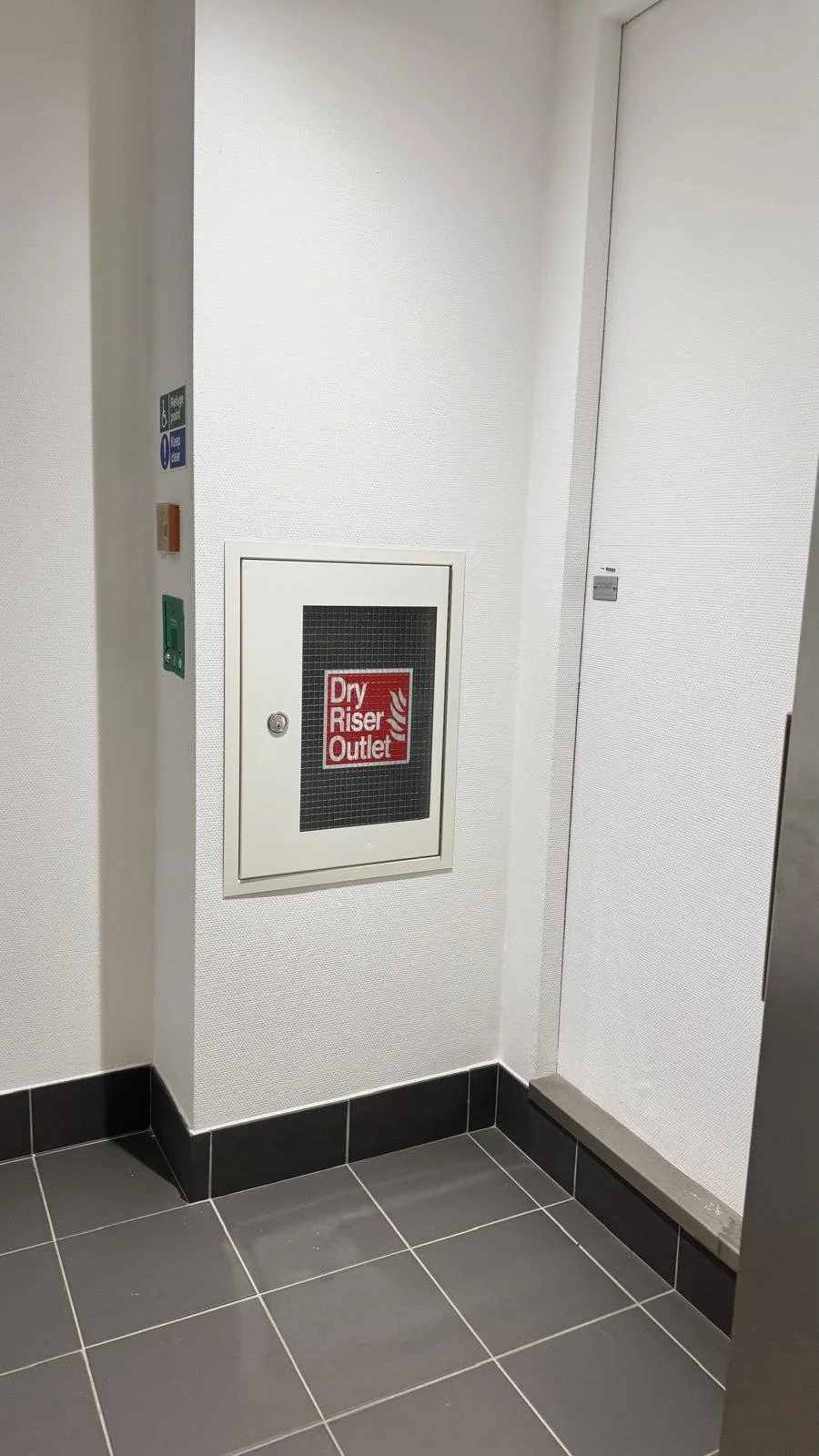
Landing valve boxes and signage
Drain valves
Evidence of damage
Corrosion
Vandalism
Obstruction
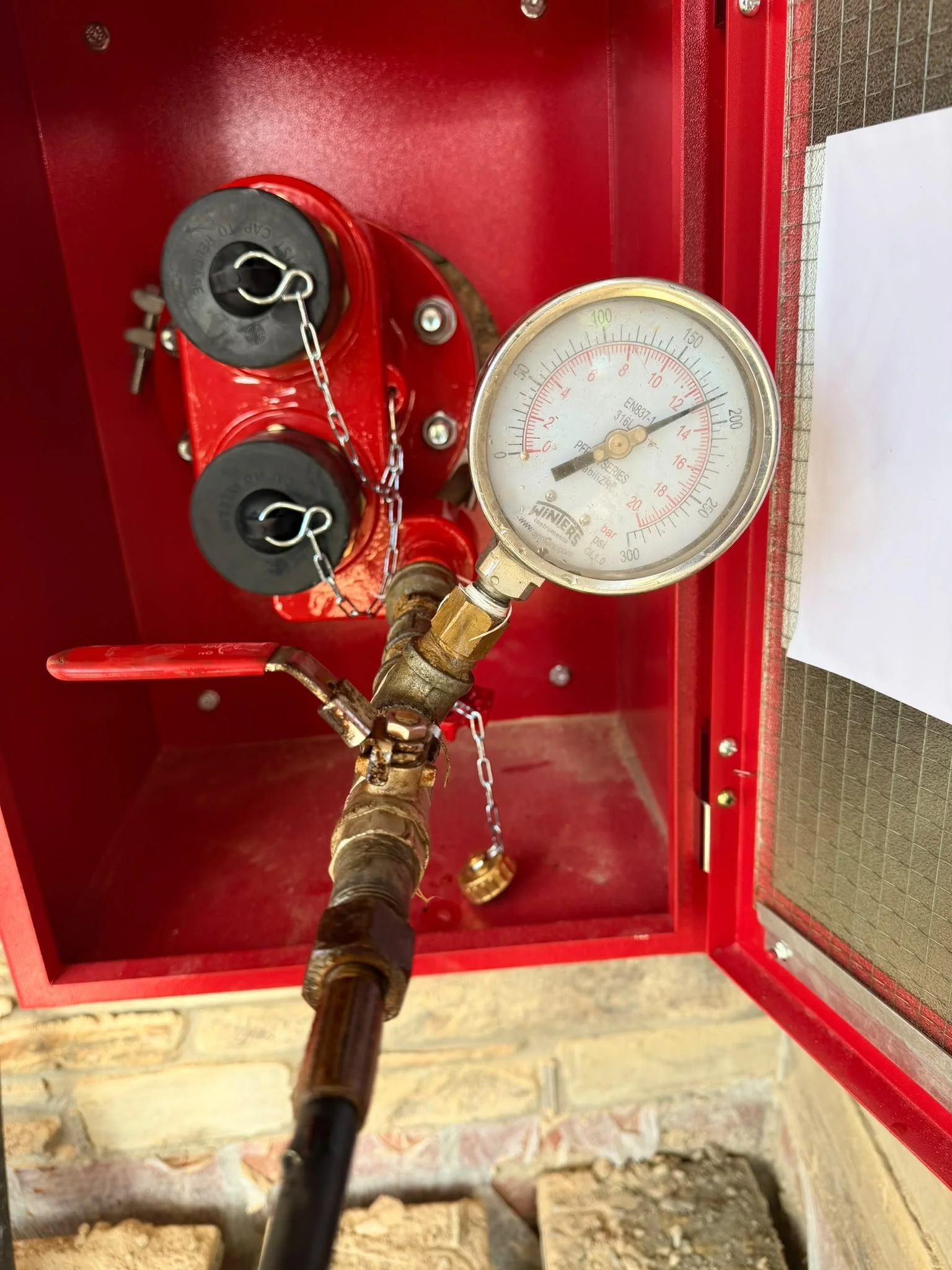
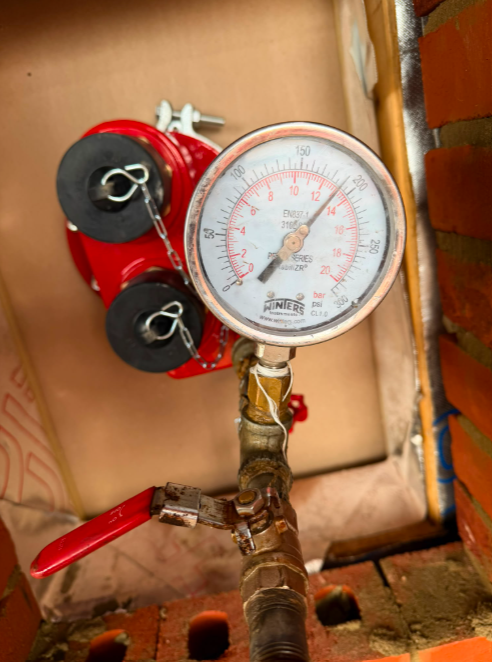
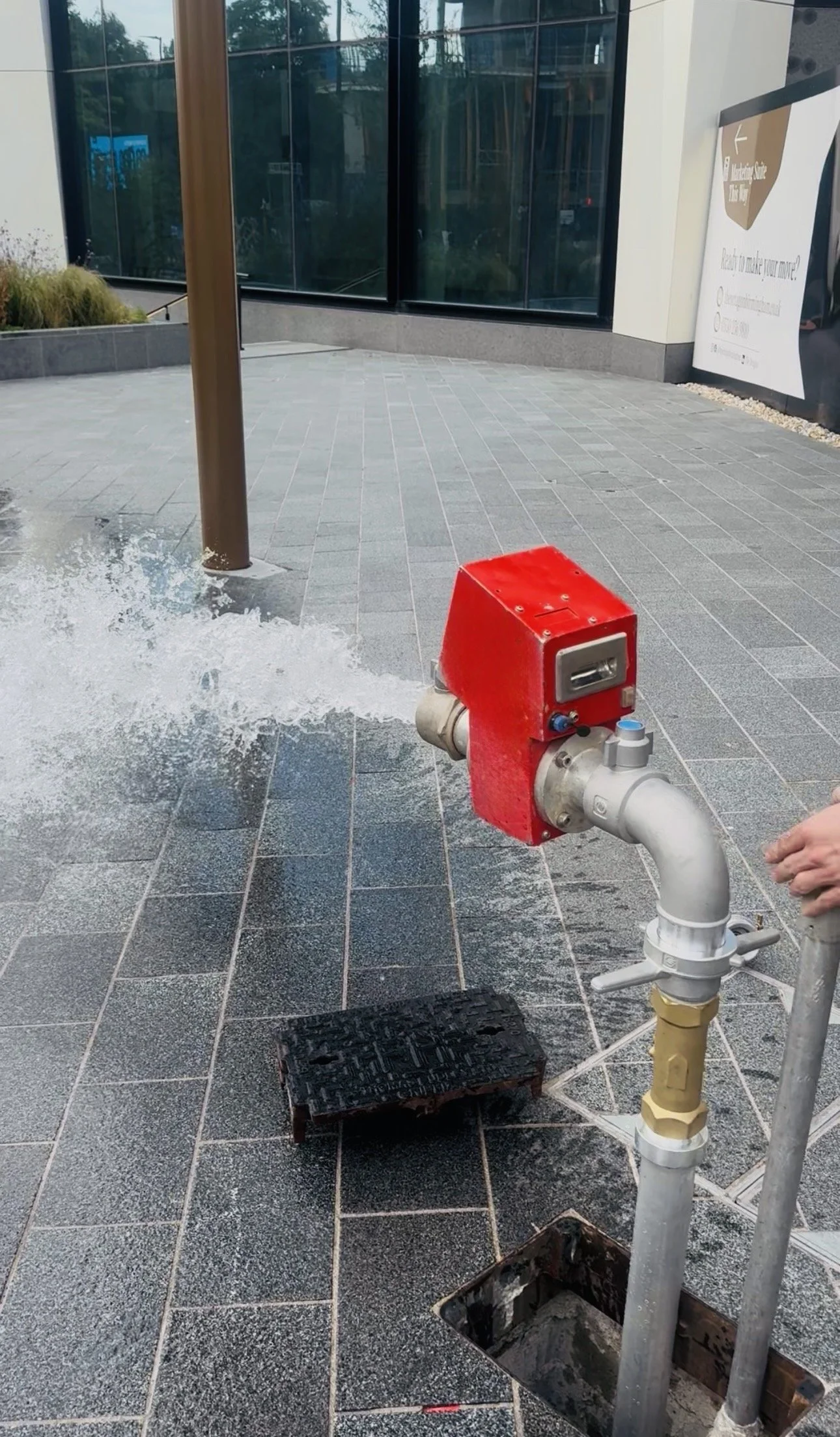
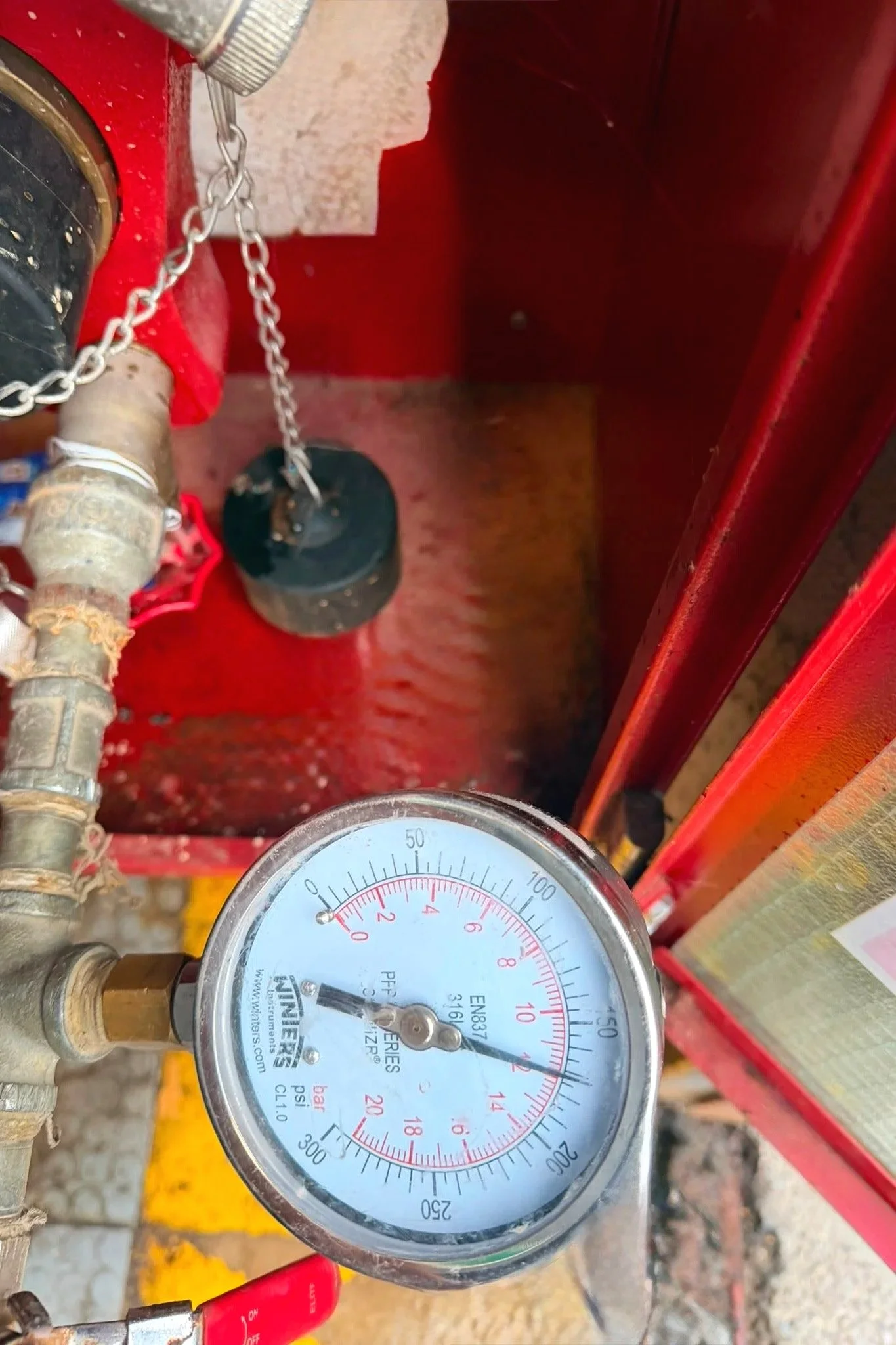
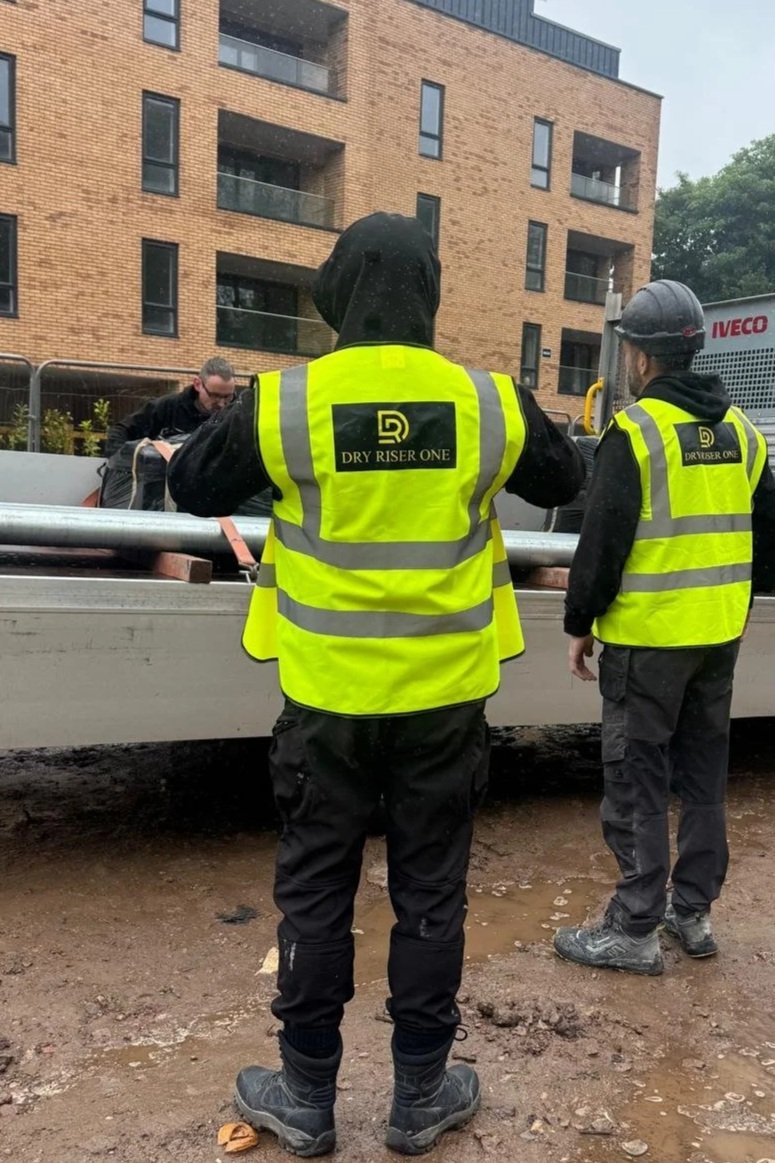
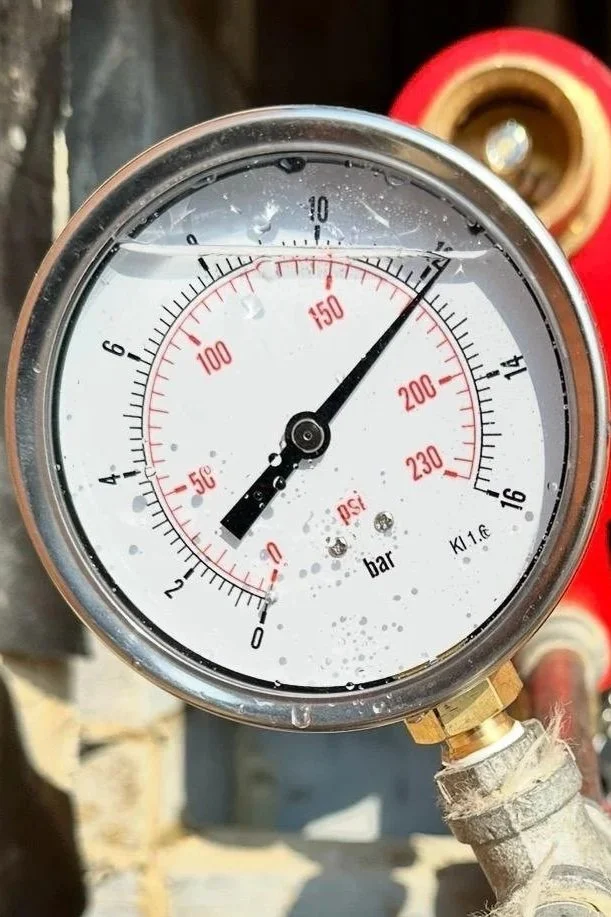
The annual pressure test typically takes around one hour. We use testing equipment from engineer’s van, therefore the vehicle must be positioned close to the Breeching Inlet (usually within 18 metres). While the process is controlled and professional, some noise from pumping equipment should be expected. Access to relevant areas of the building is required, but site supervision is not normally necessary once access arrangements are agreed. A full wet pressure test is required every 12 months.
This involves:
Charging the system with water
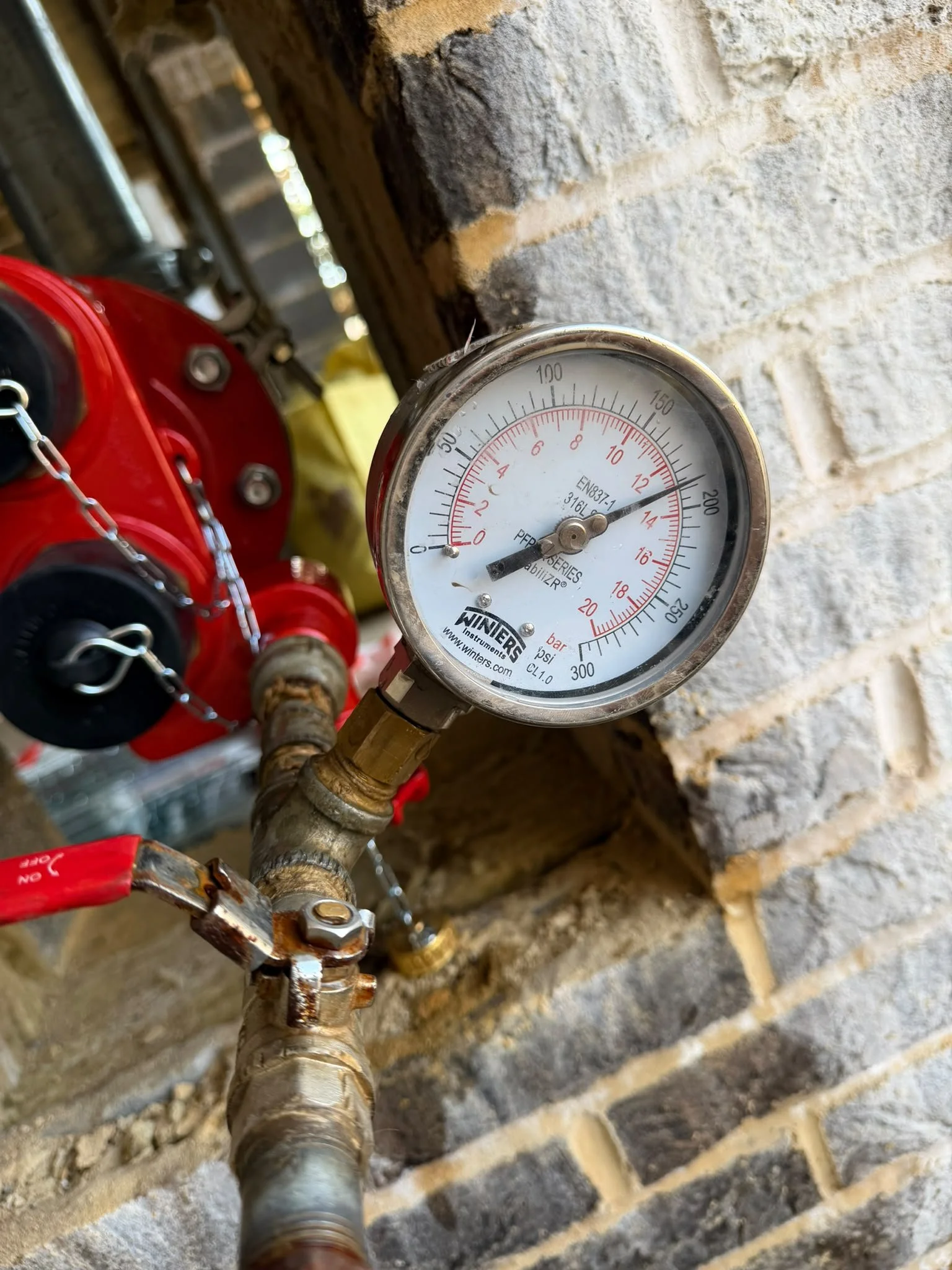
Pressurising the system to 12 bar
Maintaining pressure for 15 minutes
This test confirms the integrity of the pipework, joints, valves, and fittings under operational conditions. All inspections and tests must be carried out by a competent and suitably trained contractor.
Selecting a Competent Contractor
When appointing a dry riser contractor, the following should be considered:
Proven experience with dry riser systems
Competent, trained engineers (CSCS Card etc)
Robust risk assessments and method statements (RAMS)
Recognised health and safety accreditation (e.g. CHAS or equivalent)
Dry riser testing involves high water pressures and interaction with occupied buildings, making safe systems of work essential.
Below we explain the dry riser servicing process and the essential checks carried out during inspection and testing.
Do I receive a Certificate?
Yes, you will receive a certificate of compliance. This certificate should be retained as part of the building’s fire safety records and made available upon request by Building Control, Fire and Rescue Authorities or Insurers.
Maintaining accurate records demonstrates compliance and provides assurance that the system is fit for purpose.
Failure, Defects, and Remedial Works
If a dry riser system fails inspection or pressure testing:
• The defect will be reported immediately to the responsible person
• Where required, the local Fire and Rescue Service may need to be informed
• The system should be considered impaired until repairs are completed
You should receive a clear remedial report detailing the works required to return the system to full compliance. Remedial works should be prioritised without delay. For a detailed overview of Dry riser remedials, please see our remedial page.

Our dry riser servicing is carried out in full compliance with BS 9990:2015
News & Articles