Residential Sprinkler Servicing
Do I need Sprinkler Servicing?
Sprinkler systems are an important part of a property’s fire protection. However, without routine testing, small faults can easily go unnoticed. Annual testing helps ensure the system remains compliant with BS 9251 and provides reassurance that your sprinkler system is ready to operate when it is needed.
Regular maintenance also allows potential issues to be identified early. By addressing problems before they develop further, the system can continue to operate as intended, helping to protect the building, its occupants, and the surrounding property in the event of a fire.
BS 9251 Sprinkler Servicing Requirements
Residential sprinkler systems in the UK are designed and maintained in accordance with BS 9251, the British Standard covering domestic and residential fire sprinkler systems.
BS 9251 provides guidance on:
System design
Installation requirements
Inspection procedures
Maintenance and servicing intervals
Routine inspections help confirm that the sprinkler system continues to meet the requirements of the standard and remains capable of operating effectively during a fire emergency.
Why Residential Sprinkler Servicing is Important?
Sprinkler systems are designed to activate automatically in the event of a fire, helping to control or suppress flames before they can spread. However, the components can deteriorate or become damaged over time. Without regular servicing, small issues such as blocked pipework, faulty valves, or damaged sprinkler heads may go unnoticed. Routine inspections ensure that sprinkler heads remain unobstructed, pipework is free from leaks or corrosion, and that valves, pumps, and alarm systems are all functioning correctly. By identifying potential problems early, regular maintenance helps ensure the system continues to operate as intended and provides reliable fire protection when it is needed most.
Below we explain the residential sprinkler servicing process and the essential checks carried out during routine inspections.
What We Need from You
To help our engineers carry out the servicing smoothly and efficiently, we kindly ask homeowners to make sure a few areas are accessible during the visit.
Clear access to key components
Please ensure that the areas around sprinkler heads, test valves, and any visible pipework are clear of obstructions so they can be inspected properly.
Access to the water supply
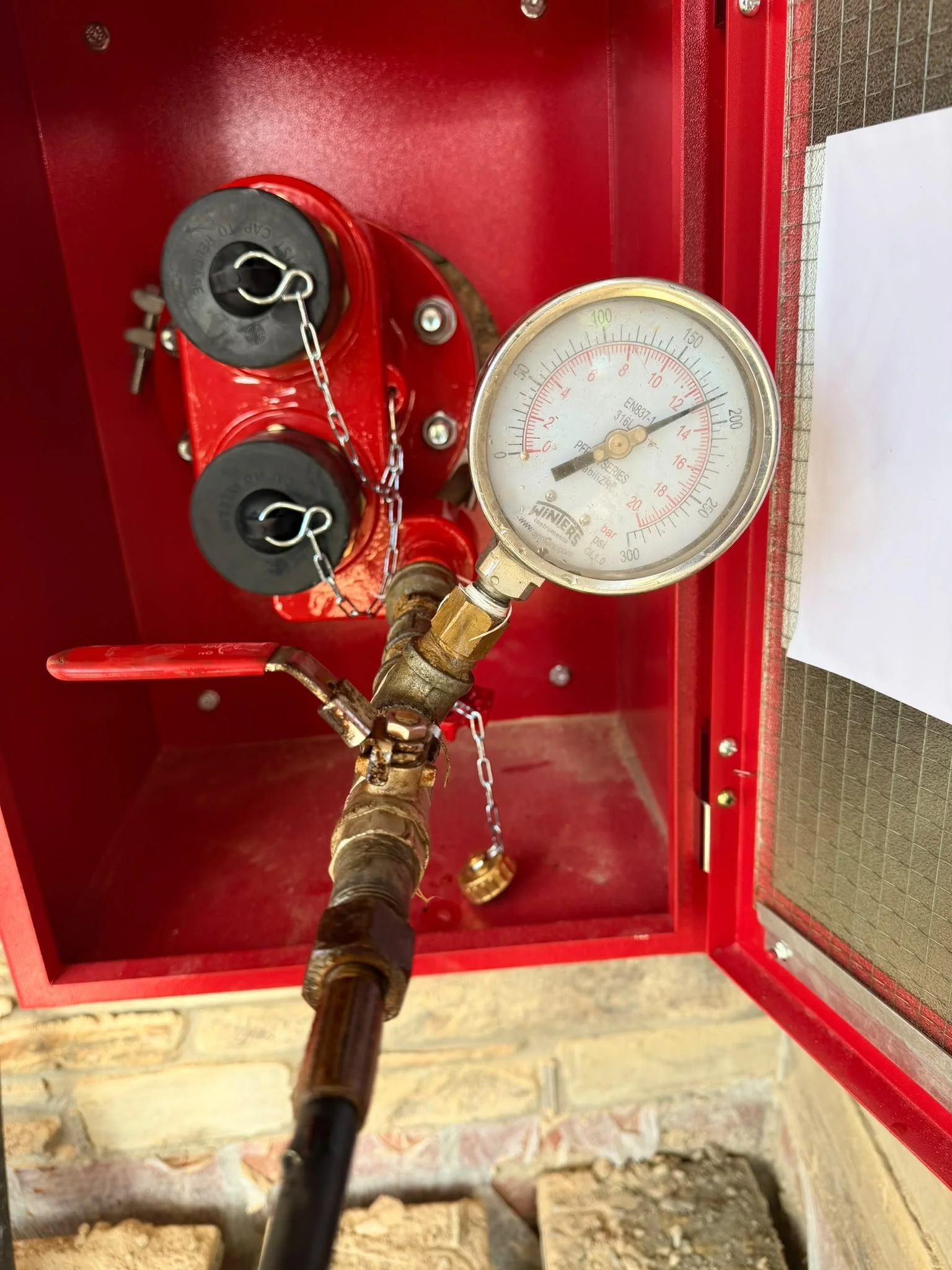
During the visit, our engineers will need access to the system’s test valve so they can check that the water flow and pressure are operating correctly.
Let us know about any recent changes
If there have been any recent changes to your property or sprinkler system, such as renovations or upgrades, it’s helpful for us to know in advance as this may affect the inspection.
Pump and tank access (if applicable)
If your sprinkler system includes a water pump or storage tank, which are often located in loft spaces, please make sure these areas can be easily accessed for inspection.
Homeowner Responsibilities
There are a few simple things homeowners can do to help keep their sprinkler system working properly between service visits. It’s a good idea to occasionally check that sprinkler heads are not blocked by furniture, paint, or debris, as this could affect how they operate in an emergency. You should also keep an eye out for any visible leaks or unusual noises coming from the system. If you notice anything unusual, it’s best to report it as soon as possible. Make sure the areas around key components such as control valves, pumps, or pipework remain clear so they can be easily accessed if needed. It’s also important that the water supply to the sprinkler system remains switched on at all times. If the system has been accidentally turned off or damaged, please let us know. And if you ever have any questions about your sprinkler system, our team will always be happy to help.
All residential sprinkler servicing is completed in accordance with BS 9251 Standards.
News & Articles